Seasonal decorating has a reputation for being expensive and a little wasteful — a closet full of single-use decorations that come out for six weeks a year and sit boxed up the rest of the time. There’s a more sustainable, genuinely more stylish approach that relies on a smaller, more versatile collection used thoughtfully across the year.
Build a Core Set of Neutral Bases
The most efficient approach to seasonal decor starts with neutral, season-agnostic base pieces — your sofa, rugs, wall colors, and larger furniture — that stay constant year-round, while smaller, swappable accents do the actual seasonal work. This means your seasonal decorating budget and storage needs focus on textiles and small accents rather than requiring you to fundamentally redecorate a room four times a year.
Textiles Do the Heaviest Seasonal Lifting
Swapping throw pillow covers, a few key textiles, and table linens is one of the most cost-effective ways to shift a room’s seasonal feel without replacing furniture or larger decor pieces. A simple swap from linen and lighter cotton in spring and summer to wool, velvet, or flannel textures in fall and winter changes a room’s entire seasonal personality through texture alone, even using the same underlying color palette.
Let Natural Elements Carry Seasonal Color
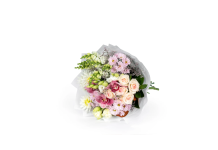
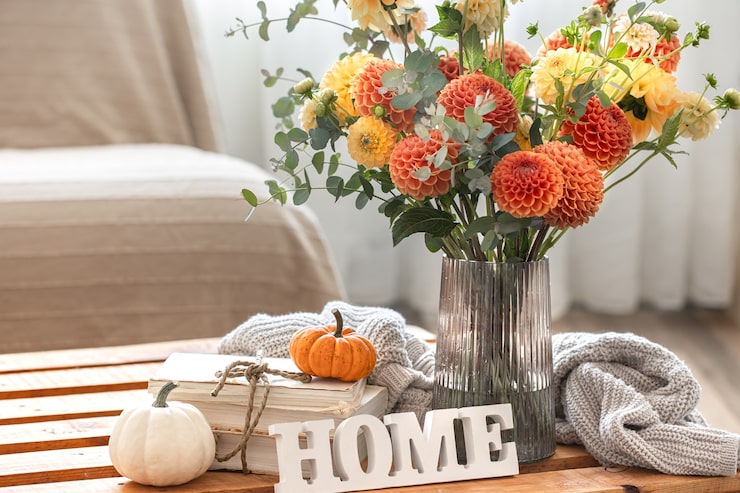
Fresh or dried branches, seasonal flowers, and natural elements — pinecones in winter, dried wheat or pumpkins in fall, fresh greenery in spring — bring authentic, low-cost seasonal color into a space without requiring purchased decorative objects at all. These elements also tend to look more sophisticated than mass-produced seasonal decor, since they read as genuinely seasonal rather than manufactured to represent a season.
Rotate a Small Collection of Versatile Accent Pieces
Rather than accumulating separate decor specifically for each season, build a smaller collection of versatile accent pieces — vases, trays, candle holders — that get restyled seasonally with different colored candles, seasonal stems, or different small objects displayed within them, rather than buying entirely new decorative pieces every few months.
Lighting Changes the Mood More Than Most People Realize
Adjusting your lighting’s warmth and layering — more candles and warm, low lighting in fall and winter, brighter and more natural light emphasis in spring and summer — shifts a room’s seasonal feel significantly without requiring any new purchases at all, simply through how existing light sources are used.
Storage Strategy Prevents the Closet Chaos
Store seasonal items by box-per-season rather than by item type, clearly labeled, so the transition between seasons becomes a simple swap rather than an archaeological dig through mixed boxes. This single organizational habit is what actually makes sustainable seasonal decorating practical rather than a recurring source of frustration.
The Underlying Philosophy
The most elegant seasonal decorating isn’t about acquiring more — it’s about a smaller, well-chosen collection of pieces that genuinely earn their seasonal rotation, used thoughtfully rather than supplemented by an ever-growing pile of single-season-use items that spend most of the year boxed away.