
How to Protect Your Storefront from Theft
Running a storefront requires constant attention to many areas of the business, from customer service and inventory management to employee safety and daily operations. One of the biggest concerns for many retail owners is protecting their property from theft and unauthorized activity.
A storefront is often one of the most visible parts of a business, which makes it important to have a reliable security strategy in place. While locks, alarms, and employee awareness all play important roles, modern surveillance technology has become one of the most effective tools for improving visibility and reducing security risks.
A well-planned security approach allows business owners to monitor activity, protect valuable assets, and respond more effectively when concerns arise.
Understanding the Security Risks Retail Stores Face
Retail businesses experience different security challenges depending on their location, size, and daily operations. Theft can occur in many forms, including shoplifting, unauthorized access, inventory loss, and damage to property.
Storefronts are especially vulnerable because they often have multiple access points, customer traffic throughout the day, and valuable products displayed in visible areas.
Without proper monitoring, it can be difficult for business owners and managers to understand when and where security issues occur.
A strong security plan helps reduce these risks by creating better awareness throughout the property. Instead of relying only on employees to notice problems, surveillance technology provides an additional layer of protection.
The Role of Security Cameras in Store Protection
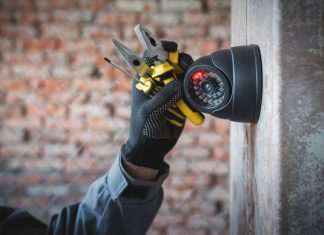
Security cameras are one of the most valuable tools available to modern retailers. They allow businesses to monitor activity inside and around the storefront while creating recorded information that can be reviewed when needed.
A properly designed camera system can help monitor important areas such as entrances, checkout counters, storage spaces, and parking areas.
Visible cameras can also discourage unwanted behavior. When individuals know that their actions may be recorded, they may think twice before attempting theft or unauthorized activity.
For business owners, surveillance provides more than prevention. It also creates documentation that can help investigate incidents and make informed decisions.
Choosing the Right Camera Placement
The effectiveness of a security system depends heavily on where cameras are installed. A camera placed in the wrong location may leave important areas uncovered or capture footage that is difficult to use.
Professional security planning focuses on identifying areas with the highest security value. Entrances and exits are usually key locations because they capture information about people entering and leaving the store.
Checkout areas are also important because they involve transactions and valuable equipment. Storage rooms and inventory areas may require additional monitoring because they often contain high-value products.
Outdoor areas, including parking lots and delivery zones, can also benefit from proper camera coverage.
Strategic placement helps reduce blind spots and ensures that the surveillance system provides useful information.
Improving Storefront Security With Modern Technology
Today’s security systems offer advanced features that go beyond basic video recording. Modern cameras can provide high-resolution footage, motion detection, remote access, and smart alerts.
High-quality video makes it easier to review important details, such as identifying individuals, vehicles, or specific events.
Remote access allows business owners to check their storefront even when they are away. This is especially useful for owners who manage multiple locations or want additional awareness outside business hours.
Motion-based notifications can alert managers when activity occurs in selected areas, helping them respond more quickly to unusual situations.
These features make security systems more practical and effective for modern retail environments.
The Importance of Maintaining Security Equipment
Installing a security camera system is only the first step. Regular maintenance is necessary to ensure that cameras continue working properly and provide clear footage.
Over time, equipment can experience issues caused by dust, weather exposure, software problems, damaged connections, or general wear.
A camera that stops recording or produces unclear footage may create security gaps when protection is needed most.
Professional maintenance and commercial security camera repair help businesses keep their surveillance systems operating reliably. Addressing problems quickly helps protect the investment and ensures that important areas remain monitored.
Regular inspections can also identify small issues before they become larger technical problems.
Combining Cameras With Other Security Measures
While surveillance cameras are an important part of storefront protection, they work best when combined with other security practices.
Businesses can improve protection by using strong access controls, proper lighting, employee training, and organized inventory procedures.
For example, good lighting around entrances and outdoor areas can improve camera performance while making the property less attractive to unauthorized activity.
Employee awareness is also valuable. Staff members who understand security procedures can help identify unusual situations and respond appropriately.
A complete security strategy combines technology and everyday practices to create stronger protection.
How Surveillance Helps After a Theft Incident
Even with strong security measures, theft incidents may still happen. When they do, having clear surveillance footage can make a significant difference.
Recorded video can help business owners understand what happened and provide useful information when reporting incidents.
Footage may help identify individuals involved, confirm timelines, and support insurance or legal processes when necessary.
Without reliable surveillance, businesses may have limited information about an event.
A properly maintained camera system provides valuable documentation that can support better outcomes after security concerns occur.
Selecting the Right Security Provider for Your Store
Choosing a security company is an important decision for any retail business. The provider should understand commercial environments and create solutions based on the specific needs of the storefront.
Every business is different. A small retail shop may need a simple camera setup, while a larger store may require multiple cameras, advanced recording features, and integration with other security technologies.
A professional security provider evaluates the property, recommends suitable equipment, and ensures proper installation and support.
Experience is important because effective security depends on more than equipment selection. It requires understanding placement, system configuration, and long-term maintenance.
Creating a Safer Shopping Environment
Customers and employees feel more comfortable when they know a business takes security seriously. A well-designed surveillance system helps create a safer environment while protecting the business itself.
Security cameras provide valuable awareness, support better decision-making, and help business owners stay informed about activity around their property.
For storefront owners, investing in professional security solutions is not only about preventing theft. It is about protecting inventory, supporting employees, and maintaining confidence in daily operations.
Protecting Your Business With a Long-Term Security Plan
Storefront security requires ongoing attention and planning. As businesses grow and security needs change, surveillance systems may need updates, repairs, or additional coverage.
Regular maintenance, professional support, and modern technology help ensure that security systems continue providing value over time.
A reliable storefront protection strategy gives business owners greater control and peace of mind. By combining smart surveillance, proper planning, and consistent...
What Happens When Your Chimney Is Left Without Proper Care?
A fireplace can be a valuable feature in a home, especially when colder weather arrives. It provides warmth, creates a comfortable atmosphere, and can become a natural gathering place for family and friends. However, the performance and safety of a fireplace depend heavily on the condition of the chimney connected to it.
Because much of a chimney is out of sight, homeowners may not think about it until something goes wrong. Soot, creosote, debris, moisture, animal nests, and structural deterioration can develop gradually. Without regular attention, these issues may eventually affect airflow, fireplace performance, and the condition of the surrounding structure.
Understanding what chimney sweeping involves and why it matters can help homeowners make better decisions about maintaining this important part of the home.
Why Chimneys Accumulate Debris
Whenever a wood burning fireplace operates, smoke travels through the chimney and exits above the roof. Along the way, combustion byproducts can settle against the interior walls of the flue.
Soot is one common residue. Another is creosote, a combustible substance produced during the combustion process. Creosote can take several forms, ranging from a loose powder to a sticky or hardened layer that adheres firmly to the flue.
The amount that accumulates depends on several factors, including the type of wood being burned, moisture content, fireplace usage, combustion temperature, and ventilation.
Even when a fireplace appears to operate normally, deposits can continue to build up inside the chimney. This is why visual inspection from the living room is not enough to determine whether the flue is clean.
What a Chimney Sweep Actually Does
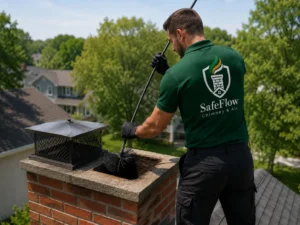
Chimney sweeping involves removing accumulated soot, creosote, and other debris from the chimney and related areas. Professional equipment is designed to reach portions of the flue that homeowners cannot easily access.
A professional sweep may also look for obvious signs of deterioration or obstruction during the service. This can include checking accessible sections for damaged components, animal nesting, excessive deposits, or other conditions that could interfere with proper operation.
For homeowners researching professional assistance, a SafeFlow chimney sweep service can be one option to consider when maintaining a fireplace and chimney system.
Sweeping and inspection are related but are not exactly the same service. Cleaning removes deposits, while an inspection evaluates the condition of the chimney. Depending on the circumstances, homeowners may need one or both.
Creosote Is More Than Just Dirt
It can be tempting to think of chimney deposits as ordinary dirt that simply needs to be removed for cleanliness. Creosote deserves more attention because it is combustible.
As creosote accumulates, the material can become increasingly difficult to remove. Certain forms can adhere strongly to the interior surface and may require specialized cleaning methods.
A chimney fire can occur when combustible deposits ignite. High temperatures generated during such an event can damage flue components and surrounding materials, even when the damage isn't immediately obvious from inside the home.
Regular maintenance can help reduce the amount of combustible material inside the flue and provide an opportunity to identify conditions that require attention.
Moisture Can Damage the Chimney Too
Chimney problems aren't limited to what's happening inside the flue. Water can cause significant deterioration on the exterior and interior of the structure.
Rain and melting snow can enter through damaged chimney caps, cracks, deteriorated mortar, faulty flashing, or problems with the chimney crown. Once moisture penetrates masonry, it can gradually weaken bricks and mortar.
In colder climates, repeated freezing and thawing can make the situation worse. Water trapped in porous masonry expands when it freezes, potentially widening existing cracks and contributing to further deterioration.
Homeowners should therefore look beyond the fireplace itself when evaluating chimney condition. A chimney that appears functional during a fire may still have exterior problems that need to be addressed.
Signs That Should Get Your Attention
A change in fireplace behavior can provide an early warning that something isn't functioning properly.
Smoke entering the living area is one obvious concern. Persistent smoky odors, poor draft, difficulty maintaining a fire, or unusual sounds coming from the chimney can also justify further evaluation.
Exterior warning signs may include cracked bricks, deteriorating mortar, visible water staining, damaged flashing, or missing components around the top of the chimney.
Animal activity should also be taken seriously. Birds, squirrels, raccoons, and other animals can enter chimneys and create nests or leave behind debris. An obstruction can interfere with ventilation and may introduce combustible material into the flue.
If something seems different from the way the fireplace normally operates, homeowners shouldn't assume the issue will correct itself.
How Firewood Choices Affect Chimney Condition
Homeowners have some control over how quickly deposits accumulate.
Burning properly seasoned firewood can promote more efficient combustion than using freshly cut or excessively damp wood. Wet wood tends to produce more smoke, which can contribute to increased deposits inside the chimney.
The materials burned also matter. A fireplace should not be treated as an alternative household waste disposal system. Painted wood, treated lumber, plastics, wrapping materials, and trash can release undesirable substances and may damage components.
Using the fireplace as intended is one of the simplest ways homeowners can support better chimney performance between professional services.
Sweeping Is Part of a Larger Maintenance Plan
Cleaning the chimney is important, but homeowners should think about the entire fireplace system.
The firebox, damper, chimney cap, flashing, masonry, liner, and surrounding structure can all affect performance. Problems with one component may eventually influence another.
For example, a damaged chimney cap can allow water and debris into the flue. A deteriorating liner may affect how combustion gases are contained. Damaged masonry can allow moisture to reach areas that should remain protected.
This is why professional evaluation can be useful, particularly for older systems or properties with an uncertain maintenance history.
How Often Should a Chimney Be Cleaned?
There isn't one universal schedule that applies equally to every household. Usage, fuel type, fireplace design, wood quality, and the amount of residue produced can all affect how frequently cleaning is appropriate.
A fireplace used frequently throughout the colder months may require more attention than one used only occasionally. Homes with older systems or a history of excessive buildup may also require closer monitoring.
Instead of relying solely on a calendar, homeowners should consider usage patterns and professional recommendations. Keeping records of previous cleanings and inspections can make it easier to track the condition of the chimney over time.
Preparing Before Fireplace Season
The best time to discover a chimney problem is before the fireplace is needed regularly.
Before the start of heavy seasonal use, homeowners can check the visible exterior of the chimney and look for obvious signs of deterioration. They can also make sure smoke and carbon monoxide alarms are installed and functioning properly.
If the fireplace hasn't been used for a long period, it is especially important to consider whether animals, debris, moisture, or other issues may have affected the system during its downtime.
Taking care of these concerns ahead of time is generally preferable to discovering a problem on a cold evening when the fireplace is needed immediately.
A Cleaner Chimney Supports a Better Fireplace Experience
A chimney does an important job every time a fireplace burns. It carries smoke and combustion gases away from the home while helping maintain the airflow required for proper operation.
Over time, however, soot, creosote, moisture, debris, and structural wear can interfere with that process. Regular sweeping, appropriate inspections, safe burning practices, and timely repairs can help homeowners maintain the system and protect their investment.
Chimney care doesn't have to be complicated. The most important step is recognizing that the system requires attention even when everything appears to be working normally.
By making chimney maintenance part of routine home care, homeowners can reduce preventable problems, support better fireplace performance, and approach each new season...
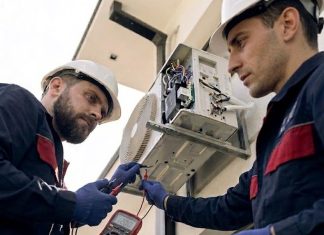
Когда кондиционеру нужна проверка, а не чистка
Кондиционер начал хуже охлаждать, шуметь, подтекать или неожиданно отключаться. Во многих случаях владелец предполагает, что оборудование просто загрязнилось и ему достаточно обычного обслуживания. Иногда...
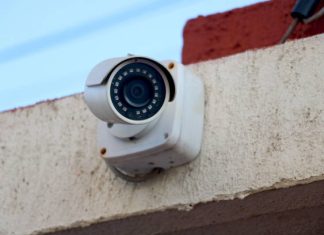
Security Camera System Fargo, ND: Smarter Ways to Protect Your Property
Protecting your property involves more than locking doors and checking windows. A reliable camera setup can help you monitor entrances, parking areas, outdoor spaces,...

Gift Shops in Appleton, WI: How to Choose Meaningful Gifts for...
Finding a thoughtful gift is often more challenging than expected. You may know the occasion but still wonder what the recipient would genuinely appreciate....
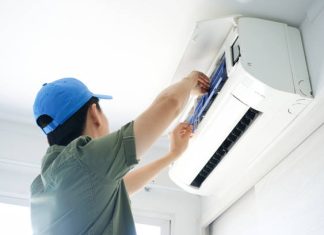
Why Dubuque’s Climate Makes Indoor Air Quality a Challenge
Indoor air quality has a direct impact on your comfort, health, and overall well-being. Dust, allergens, humidity, and airborne pollutants can build up inside...
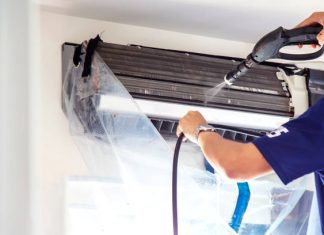
Top Signs Your Air Conditioner Needs Professional Attention Before It Breaks...
Southeast Texas summers place immense strain on cooling systems, making a reliable air conditioner a necessity rather than a luxury. When your unit begins...
How To Choose A Locksmith In Campbelltown When You Need Help...
Getting locked out, discovering a broken key or finding that a door will not secure properly can turn an ordinary day into a stressful...

Home Building Compensation Fund (HBCF) Explained
Constructing or perfecting a house is an enormous economic accountability. Most projects complete without major problems, but you need to know what protection you...

Moving with School-Aged Kids: How to Time a Move Around Sydney...
For any family, moving house is a notoriously huge change but with school-aged children, it poses an even bigger challenge. And as students seeking...