Running a storefront requires constant attention to many areas of the business, from customer service and inventory management to employee safety and daily operations. One of the biggest concerns for many retail owners is protecting their property from theft and unauthorized activity.
A storefront is often one of the most visible parts of a business, which makes it important to have a reliable security strategy in place. While locks, alarms, and employee awareness all play important roles, modern surveillance technology has become one of the most effective tools for improving visibility and reducing security risks.
A well-planned security approach allows business owners to monitor activity, protect valuable assets, and respond more effectively when concerns arise.
Understanding the Security Risks Retail Stores Face
Retail businesses experience different security challenges depending on their location, size, and daily operations. Theft can occur in many forms, including shoplifting, unauthorized access, inventory loss, and damage to property.
Storefronts are especially vulnerable because they often have multiple access points, customer traffic throughout the day, and valuable products displayed in visible areas.
Without proper monitoring, it can be difficult for business owners and managers to understand when and where security issues occur.
A strong security plan helps reduce these risks by creating better awareness throughout the property. Instead of relying only on employees to notice problems, surveillance technology provides an additional layer of protection.
The Role of Security Cameras in Store Protection
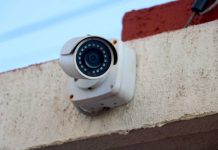
Security cameras are one of the most valuable tools available to modern retailers. They allow businesses to monitor activity inside and around the storefront while creating recorded information that can be reviewed when needed.
A properly designed camera system can help monitor important areas such as entrances, checkout counters, storage spaces, and parking areas.
Visible cameras can also discourage unwanted behavior. When individuals know that their actions may be recorded, they may think twice before attempting theft or unauthorized activity.
For business owners, surveillance provides more than prevention. It also creates documentation that can help investigate incidents and make informed decisions.
Choosing the Right Camera Placement
The effectiveness of a security system depends heavily on where cameras are installed. A camera placed in the wrong location may leave important areas uncovered or capture footage that is difficult to use.
Professional security planning focuses on identifying areas with the highest security value. Entrances and exits are usually key locations because they capture information about people entering and leaving the store.
Checkout areas are also important because they involve transactions and valuable equipment. Storage rooms and inventory areas may require additional monitoring because they often contain high-value products.
Outdoor areas, including parking lots and delivery zones, can also benefit from proper camera coverage.
Strategic placement helps reduce blind spots and ensures that the surveillance system provides useful information.
Improving Storefront Security With Modern Technology
Today’s security systems offer advanced features that go beyond basic video recording. Modern cameras can provide high-resolution footage, motion detection, remote access, and smart alerts.
High-quality video makes it easier to review important details, such as identifying individuals, vehicles, or specific events.
Remote access allows business owners to check their storefront even when they are away. This is especially useful for owners who manage multiple locations or want additional awareness outside business hours.
Motion-based notifications can alert managers when activity occurs in selected areas, helping them respond more quickly to unusual situations.
These features make security systems more practical and effective for modern retail environments.
The Importance of Maintaining Security Equipment
Installing a security camera system is only the first step. Regular maintenance is necessary to ensure that cameras continue working properly and provide clear footage.
Over time, equipment can experience issues caused by dust, weather exposure, software problems, damaged connections, or general wear.
A camera that stops recording or produces unclear footage may create security gaps when protection is needed most.
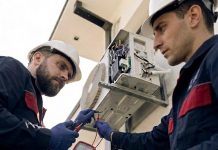
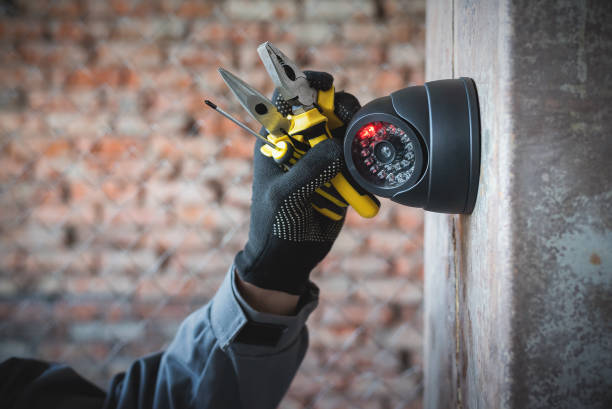
Professional maintenance and commercial security camera repair help businesses keep their surveillance systems operating reliably. Addressing problems quickly helps protect the investment and ensures that important areas remain monitored.
Regular inspections can also identify small issues before they become larger technical problems.
Combining Cameras With Other Security Measures
While surveillance cameras are an important part of storefront protection, they work best when combined with other security practices.
Businesses can improve protection by using strong access controls, proper lighting, employee training, and organized inventory procedures.
For example, good lighting around entrances and outdoor areas can improve camera performance while making the property less attractive to unauthorized activity.
Employee awareness is also valuable. Staff members who understand security procedures can help identify unusual situations and respond appropriately.
A complete security strategy combines technology and everyday practices to create stronger protection.
How Surveillance Helps After a Theft Incident
Even with strong security measures, theft incidents may still happen. When they do, having clear surveillance footage can make a significant difference.
Recorded video can help business owners understand what happened and provide useful information when reporting incidents.
Footage may help identify individuals involved, confirm timelines, and support insurance or legal processes when necessary.
Without reliable surveillance, businesses may have limited information about an event.
A properly maintained camera system provides valuable documentation that can support better outcomes after security concerns occur.
Selecting the Right Security Provider for Your Store
Choosing a security company is an important decision for any retail business. The provider should understand commercial environments and create solutions based on the specific needs of the storefront.
Every business is different. A small retail shop may need a simple camera setup, while a larger store may require multiple cameras, advanced recording features, and integration with other security technologies.
A professional security provider evaluates the property, recommends suitable equipment, and ensures proper installation and support.
Experience is important because effective security depends on more than equipment selection. It requires understanding placement, system configuration, and long-term maintenance.
Creating a Safer Shopping Environment
Customers and employees feel more comfortable when they know a business takes security seriously. A well-designed surveillance system helps create a safer environment while protecting the business itself.
Security cameras provide valuable awareness, support better decision-making, and help business owners stay informed about activity around their property.
For storefront owners, investing in professional security solutions is not only about preventing theft. It is about protecting inventory, supporting employees, and maintaining confidence in daily operations.
Protecting Your Business With a Long-Term Security Plan
Storefront security requires ongoing attention and planning. As businesses grow and security needs change, surveillance systems may need updates, repairs, or additional coverage.
Regular maintenance, professional support, and modern technology help ensure that security systems continue providing value over time.
A reliable storefront protection strategy gives business owners greater control and peace of mind. By combining smart surveillance, proper planning, and consistent maintenance, retailers can create a safer environment and better protect the business they have worked hard to build.