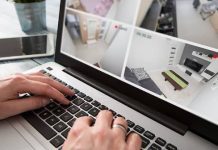
Warehouses, retail stores, and offices have a need for high security measures. However, the types of risk faced by each are very different. The warehouse is concerned with protecting inventory and the area where goods are loaded onto trucks. The retail store is focused on preventing theft from shoppers and also ensuring the safety of shoppers. The office is concerned with restricting access to employees’ working space and other areas containing sensitive information.
Commercial security systems in Melbourne are chosen based upon the way a business functions. The ideal combination includes appropriate equipment, access guidelines that are clearly defined, and continuous monitoring.
-
Warehouses: Protect Stock and Large Spaces
The size of a warehouse and its numerous points of entry and exit, as well as the activity at each point of entry/exit (i.e. loading dock), add complexity to being able to monitor everything happening in the facility.
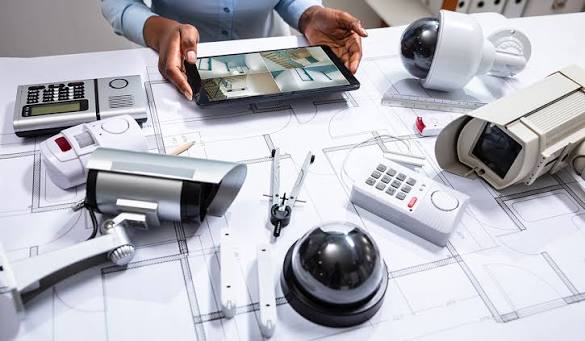
A suitable security installation might consist of:
- CCTV cameras covering entrances, aisles, and loading zones.
- Access control for staff-only areas.
- Intruder alarms for after-hours protection.
- Motion detection in restricted or less-used spaces.
High ceilinged spaces with wide walkways will typically need to have cameras placed strategically so that no area is left unmonitored. Businesses need to ensure their deliveries entrances are properly monitored, as these areas are constantly being accessed by individuals and vehicles.
-
Retail Stores: Reduce Theft and Protect Customers
Security systems for retail businesses should help create a secure place to shop, but they should also foster good relationships with customers. Video surveillance provides retailers with a means of monitoring entryways, point of sale locations (POS), and high value merchandise while providing customers an enjoyable shopping experience.
For stockrooms, offices, and cash-handling areas, access controls may be beneficial. Staff can also use panic alarms and proper intruder detection to assist with responding to events.
Good lighting and the ability to see clearly through cameras are both essential. Camera systems should be designed to capture what is needed in each of the main areas where customers will be, but also respect their privacy.
-
Offices: Control Who Enters
The majority of office environments hold sensitive documents, computers, and other essential business resources. In general, an office is more interested in controlling who enters its physical space than keeping track of a vast inventory.
Access can be limited by card readers, mobile credentials, and electronic locks. Visitor management systems will assist the front desk in recording who is coming into the building and will allow them to control entry to meeting rooms.
Businesses can also install surveillance cameras at all entrances and common areas to review any potential safety threats. When an employee changes jobs within your company, or leaves your organisation completely, make sure to update their access permissions appropriately.
-
Why Does Camera Planning Matters?
An effective commercial CCTV installation in Melbourne needs to be tailored to the layout of the property, its lighting conditions, and the potential security threats it faces. For example, a warehouse will likely require a large amount of area covered by the cameras, whereas a retail store will typically need to have clear shots of the cash registers and entryways.
Before you install your system, evaluate how well the system will record video based on the cameras’ resolution, the amount of data the system can store, whether or not the system can be accessed remotely, and what level of network security the system provides. Make sure the system can produce a usable image when required.
-
Build a System Around Your Business
There isn’t a single security system that works for all types of commercial properties. Each of the following, a warehouse, store, and office will require different types of security equipment to best fit their daily business activities.
When evaluating various commercial security systems in Melbourne, first determine what the threats are and then choose features that will provide solutions to those threats. Seeking professional assistance can prevent poor camera placement, as well as gap in access control.
Commercial CCTV Installation in Melbourne will also involve evaluating the camera’s location and viewing angles, setting up how video is recorded and what maintenance will be required to keep it working properly.
A good system can help keep your employees, your buildings, and your company’s data safe from harm. A well-designed system can also make each day run smoother.