Key Takeaways
Log cabins typically reveal signs of structural issues, such as uneven settling, cracks in walls, and moisture intrusion. Regular inspections and prompt repairs are vital to prevent these problems from escalating into significant concerns.
Log cabin owners should stay alert for warning signs like sagging roofs, warped walls, and pest infestations. Trusting one’s instincts regarding any issues can lead to early intervention, helping to reduce costs and further damage.
Natural wear and tear, including wood expansion and contraction, is a normal aspect of log cabins. Identifying which signs demand immediate responses and which are merely cosmetic is essential for effective upkeep.
Restoration strategies primarily aim to maintain the integrity of log cabins. Techniques such as caulking, log replacement, and applying protective wood preservatives are often employed to safeguard against pests and decay.
Proper budgeting for log cabin restoration means understanding both material and labor costs. Investing in high-quality materials upfront frequently leads to reduced repairs and substantial long-term savings.
Regular maintenance plays a crucial role in prolonging the life of log cabins. Seasonal assessments, proper cleaning, and timely sealing can stave off significant damage over time.
A sustainable maintenance plan for log cabins should encompass yearly evaluations, detailed checklists, and collaboration with local specialists. Taking a proactive approach encourages enduring beauty and functional durability.
Top Signs That Your Log Cabin Needs Professional Restoration
Identifying Structural Damage: What to Look For
Although renowned for their rustic beauty, log cabins may develop structural problems as time goes on. Regular inspections are recommended by professionals as a preventive measure. Look for symptoms such as uneven settling, which could suggest foundation issues. Cracks in the log walls may start as minor hairline fractures but can expand significantly if neglected.
Moisture intrusion stands as another critical warning sign. Water stains can indicate leaks, potentially resulting in rot. Experts suggest using a flashlight near darkening logs to check for issues. It’s equally important to inspect stairways, decks, and roofs as these areas require careful scrutiny. Distress in any of these can signal the need for restoration.
The crucial takeaway here? Act early. Delaying can turn minor fixes into major structural dilemmas. As the saying goes, a stitch in time saves nine.
Warning Signals: When to Call the Experts
Log cabin proprietors should always trust their gut feelings. If something feels amiss, it likely is. Ignoring concerning signs can lead to rapid escalation. Clients often cite sagging roofs and warped walls as signals indicating a need for immediate expert assessment.
Pest infestations are another significant concern. Termites, for example, can wreak havoc. Often, by the time their presence is evident, the damage has already mounted. Engaging specialists sooner can aver costly repairs further down the road.
“A cabin should feel stable and secure. If it doesn’t, restoration isn’t optional; it’s a necessity.”
Often overlooked, the foundation deserves attention too. If it’s uneven or compromised, professional evaluation is a must. Disregarding these problems may lead to broader implications that can jeopardize both safety and finances.
Understanding Natural Wear and Tear on Log Homes
Even log cabins that receive excellent care will undergo natural wear. Wood, like all organic materials, expands and contracts. This seasonal fluctuation might cause cracks if improper sealing techniques are employed. Wood is alive, so to speak. Owners should remain vigilant about weather exposure, since damage from sun and moisture cycles can diminish both aesthetic and structural soundness.
Importantly, not every wear indicator calls for immediate restoration. Some signs of aging remain merely aesthetic. However, paying close attention to these signs allows for timely log cabin repair and restoration when the situation demands. Distinguishing between the two is essential.
Expert Techniques for Effective Log Cabin Repair
Preserving Your Cabin’s Integrity: Proven Methods
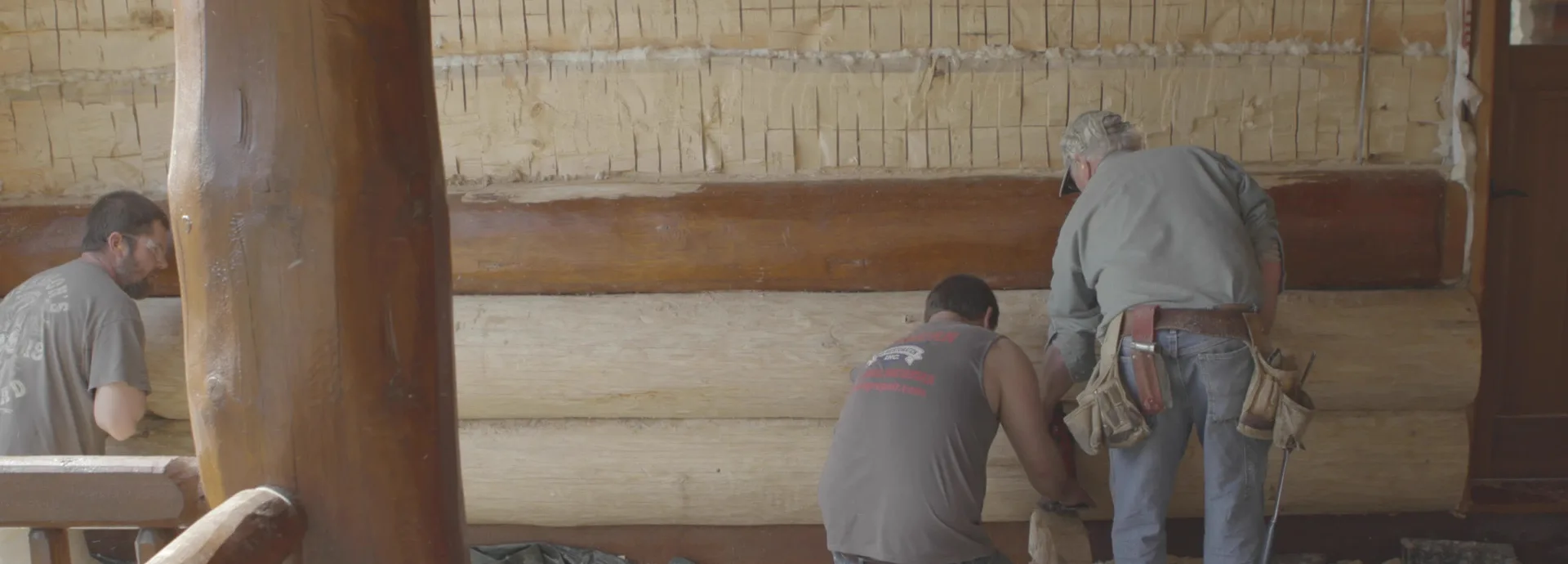
Professionals utilize various techniques that aim to preserve and restore log cabin integrity. One reliable method is caulking gaps, which enhances insulation and prevents pest access. High-quality, breathable caulk should be the go-to choice, as it allows moisture to escape while keeping intruders at bay.
When damage is too extensive for repair, log replacement can be a practical solution. Replacing a section of a log is often less costly than a full renovation. Expert craftsmanship ensures a quality match, preserving the cabin’s aesthetic appeal.
- Log sealing: Employing top-tier sealants to block moisture and pest entry.
- Re-chinking: Updating old chinking materials with fresh alternatives to ensure logs are well-sealed against the elements.
- Wood preservatives: Applying protective coatings to deter insect activity and decay.
Ultimately, the goal is to uphold structural integrity while highlighting the natural allure of the wood. Achieving the right balance remains crucial.
High-Performance Treatments for Lasting Results
Choosing the right treatment products can significantly influence outcomes. Many professionals advocate for the use of high-performance wood preservatives. These formulations penetrate deeply into wood layers, providing robust protection against pests, moisture, and fungal decay.
Stains also play a vital role. Options range from semi-transparent to solid hues, with the capability to provide additional protection while accentuating the wood’s natural grain. Understanding the local climate can inform product choices—methods tailored for high humidity differ notably from those meant for dry conditions.
“Selecting suitable treatments goes beyond aesthetics. It’s about preserving the history etched into every log.”
Experts frequently emphasize the necessity of thorough preparation before applying any product. A meticulous cleaning process clears away old finishes, dirt, and grime, promoting the longevity of both stains and sealants.
Restoration Solutions Tailored to Your Log Home
Each log cabin presents distinct challenges and beauty. Therefore, utilizing customized restoration methods is essential. Professional assessments should evaluate the cabin’s unique situation—factors like age, location, and existing damage are pivotal. For older cabins, historical methods, such as hand-hewing and traditional chinking, often yield remarkable results, ensuring authenticity remains intact.
Structural reinforcements may also enhance stability, particularly for cabins vulnerable to severe weather. Options range from adding braces to fortifying existing beams, and decisions are commonly made on an individual basis to secure the best outcomes.
- Custom log designs: Certain projects may demand bespoke solutions that reflect original characteristics.
- Community frameworks: Collaborating with local artisans familiar with area-specific challenges can elevate the quality of work.
- Sculptural restoration: Sometimes, preserving aesthetics requires artistic solutions that maintain structural integrity while enhancing beauty.
Partnering with experienced restoration professionals is crucial to ensuring that each cabin retains both charm and functionality. Every detail given attention contributes to lasting vibrancy.
Cost Considerations: What to Expect and How to Budget
Breaking Down Labor and Material Costs
Budgeting for log cabin repair and restoration requires a clear understanding of labor and material expenses. Material prices can vary significantly based on quality. While it’s tempting to cut corners, opting for lower-quality options can lead to spiraling costs later. Making a solid investment at the onset is wise.
Labor costs will fluctuate, but clients should be prepared to compensate skilled craftsmen appropriately, as their expertise directly correlates with the quality of the work produced. It’s a delicate balancing act; experience may imply higher initial costs, yet it often translates to savings over time through fewer repairs.
- Material choices: Specialty woods, high-performance sealants, and custom craftsmanship will influence overall costs.
- Preparation time: Professionals might charge for labor to strip old finishes in addition to inspecting and prepping logs.
- Emergency repairs: Unanticipated repairs can elevate expenses; maintaining a savings cushion can help counter budget disruptions.
Gaining clarity often involves consulting several specialists. Doing this helps clients gauge expected costs more accurately.
Investment vs. Value: Understanding Long-Term Benefits
Viewing log cabin restoration as an investment rather than merely an expense can offer valuable insights. A well-cared-for cabin not only performs more efficiently but also looks appealing and can greatly increase resale value. After all, no one wishes to buy a property riddled with concealed issues.
Clients consistently report that routine maintenance boosts both aesthetic appeal and functional longevity. Keeping logs in excellent shape leads to less financial strain over time. Thus, investing in proper restoration from the outset proves indispensable.
“A small investment today leads to cherished memories tomorrow.”
Addressing current issues before they escalate can dramatically cut costs in the long run. Owners should view restoration as a means of future-proofing their investment, safeguarding both safety and value.
Financial Planning for Your Restoration Project
Before embarking on any restoration venture, devising a solid financial plan becomes imperative. Clients should gather estimates from various professionals to form a broad understanding of potential costs and options. Furthermore, understanding different payment models is crucial—some contractors may offer phased payment schedules, while others might request full payment upfront.
It’s wise for budgets to include contingencies, as unexpected challenges can arise during restoration. A common guideline suggests setting aside an extra 10-15% of the budget. This buffer can absorb surprises without halting progress.
- Clear objectives: Pinpointing essential work versus what can be postponed is vital to effective planning.
- Timeline planning: Awareness of seasonal limitations can help avoid costly delays, often caused by weather.
- Vendor selection: Prioritizing trustworthy specialists with proven records in log cabin restoration is a must.
Ultimately, thorough planning and clarity can bring peace of mind. The aim is to create a space that is both functional and beautiful, ready to be cherished for generations.
Maintenance Tips to Extend the Life of Your Log Cabin
Seasonal Care for Optimal Protection
Maintenance strategies fluctuate with the seasons. Winters can be harsh, so ensuring the cabin is well-prepared is crucial. Cleaning gutters and regularly inspecting roofs can prevent water damage from melting snow. Spring brings the opportunity to reassess logs and caulk to avert moisture buildup that could result in rot.
During summer, the focus shifts to removing debris that can trap moisture. Trimming overhanging branches helps prevent contact with logs. In fall, treating logs for mold and mildew is important, especially as leaves begin to pile up.
- Regular inspections: Each season should encompass thorough checks to evaluate wear and tear.
- Proper cleaning: Utilizing gentle detergents is key, steering clear of harsh chemicals that may damage the wood.
- Sealing barriers: Reapplying sealants every few years, depending on their condition and environmental factors, is essential.
Implementing these strategies will help ensure the long-term protection of the cabin’s integrity.
Essential Upkeep That Prevents Major Damage
Ongoing upkeep is frequently underestimated, yet it is vital for log cabin owners hoping to avoid costly repairs. Regularly painting or staining not only enhances appeal but also protects wood from rotting. Clients often fail to realize the significant impact this maintenance has on their cabins’ longevity. Investing time in care truly yields dividends.
In addition to aesthetic tasks, working on drainage systems directs water away from the cabin’s foundation. Keeping the landscaping in check can also minimize moisture buildup around the logs. This often-overlooked aspect has significant consequences.
- Inspect flashing: This helps prevent water from compromising the structure.
- Monitor soil erosion: Unchecked soil movement can put foundations at risk.
- Ventilation checks: Ensuring proper airflow can help avert mildew and decay.
Maintaining diligence arguably defines responsible ownership and sets the stage for long-lasting appeal.
Crafting a Sustainable Care Plan for Your Home
Developing a sustainable care plan for log cabins is a continuous process. Clients may find success in scheduling yearly assessments with professionals who specialize in log cabin maintenance. These evaluations can identify early issues before they worsen.
Implementing a checklist can ensure that no detail is missed. Checklists can encompass routine inspections, staining, and preventative treatments tailored based on prior assessments; consistent action becomes essential as seasons change.
“A proactive mindset is foundational for longevity in log cabin upkeep.”
Apart of this plan might involve educational workshops. These can impart valuable insights into best practices for keen owners wanting to tackle some maintenance tasks themselves. Over time, communities surrounding log cabins emerge, sharing knowledge and experiences.
- Document repairs: Keeping records aids in tracking past work and setting future expectations.
- Engage local specialists: Building relationships with local experts can enhance the quality and personalization of care.
- Incorporate climate considerations: A strategy should adapt to reflect local environmental influences.
By formulating a proactive strategy now, families can look forward to vibrant experiences and happy memories in the years to come.
FAQ
How often should log cabins be inspected?
Experts generally recommend inspecting log cabins annually to catch potential issues at an early stage. Seasonal checks can further help assess damage from environmental factors, facilitating timely intervention.
What materials are best for log cabin restoration?
Top-notch materials, including specialty woods, breathable sealants, and effective wood preservatives, are paramount in log cabin restoration. Investing in superior options initially can lead to fewer repairs and increased longevity.
Can DIY methods be effective for log cabin maintenance?
While certain maintenance tasks can be handled by owners, professionals usually caution against DIY when it comes to significant structural issues. Specialized expertise is essential for ensuring quality results and safeguarding structural integrity.
What are the signs that a log cabin needs urgent attention?
Indicators such as sagging roofs, warped walls, or visible pest infestations require immediate action. Clients are encouraged to act quickly upon noticing these warning signs to avoid costly repairs later.
Are there specific techniques for restoring historic log cabins?
Historic log cabins tend to benefit from traditional restoration methods like hand-hewing and genuine chinking. Professionals suggest customizing approaches based on the unique age and characteristics of the cabin to achieve the best results.
How can landscaping impact the health of a log cabin?
Poorly managed landscaping can contribute to moisture accumulation, ultimately damaging logs over time. Properly directing drainage and controlling vegetation can considerably enhance a cabin’s durability and help avert moisture-related problems.
What role do community resources play in log cabin restoration?
Engaging local artisans familiar with climate-specific challenges can significantly improve the quality of restoration efforts. Community resources often share valuable insights that lead to more effective and personalized care for log cabins.
Is it worth investing in high-performance wood preservatives?
Absolutely, many professionals endorse high-performance preservatives for their enduring protective qualities. They play a major role in minimizing risks from moisture, pests, and decay—making them a wise investment for preserving the cabin’s longevity.
Useful Resources