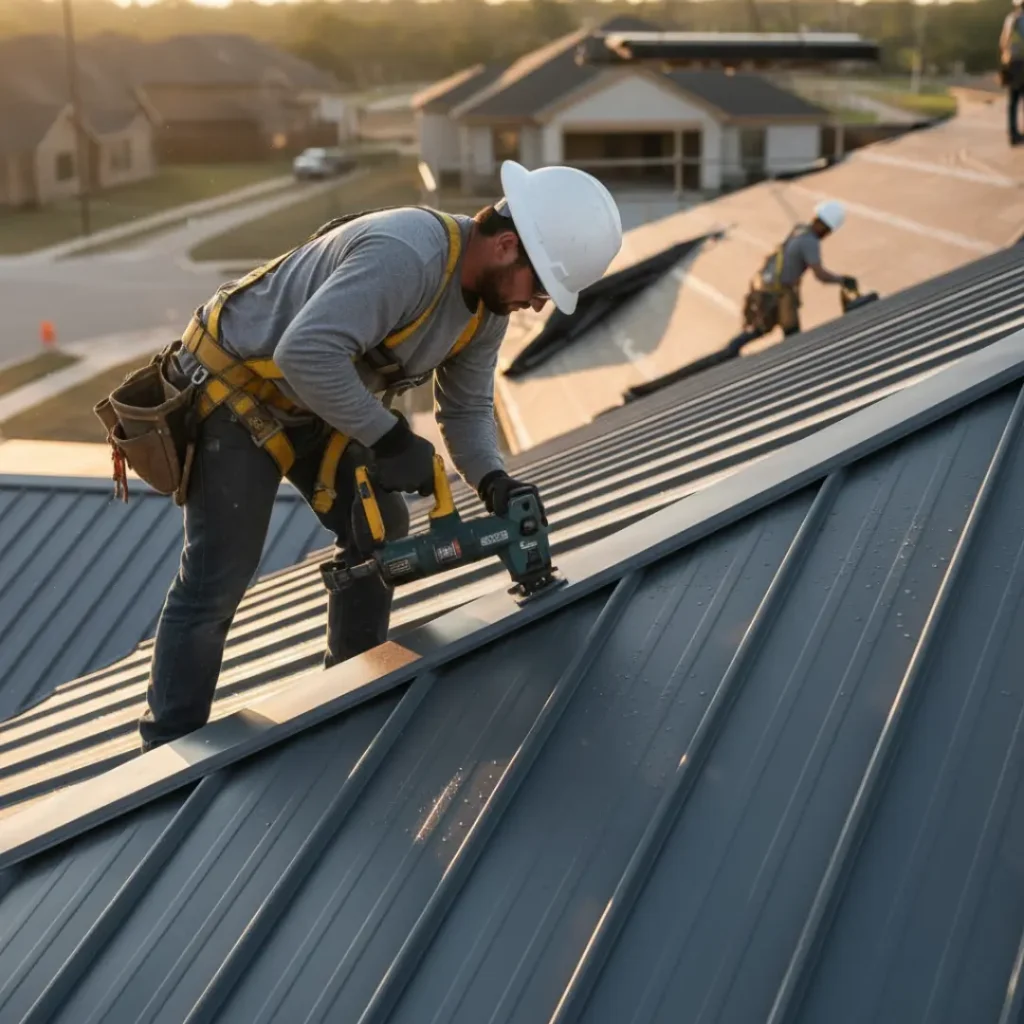
When evaluating high-performance exterior upgrades for modern residential and commercial properties, few systems match the durability, thermal efficiency, and sleek architectural aesthetic of standing seam metal roofing. Unlike traditional asphalt shingles or exposed-fastener metal panels, standing seam engineering relies on concealed clips and interlocking vertical seams that floatingly accommodate thermal expansion. Investing in a professional Metal Roof Installation gives property owners a robust, weather-resistant structural barrier designed to endure intense solar UV exposure, heavy downpours, and severe wind uplift for over half a century.
This comprehensive guide breaks down the essential mechanics, structural benefits, installation considerations, and comparative advantages of standing seam metal roof systems.
What Is a Standing Seam Metal Roof System?
A standing seam metal roof is a premium concealed-fastener roofing system characterized by raised vertical seams running along the roof slope. The term “standing seam” refers to the raised joints where adjoining metal panels lock together above the water level of the roof deck.
Key Architectural Features
- Concealed Fastening System: Mounting clips and screws are hidden entirely underneath the interlocking panel ribs, protecting fasteners from direct UV rays, rain, and environmental corrosion.
- Elevated Vertical Seams: Panel seams typically stand 1 to 2 inches above the flat panel surface, creating a continuous drainage channel that prevents water infiltration during severe storms.
- Thermal Movement Accommodation: Panels snap or seam together using sliding expansion clips, allowing metal sheets to contract and expand naturally as temperatures fluctuate.
- Clean Modern Lines: The continuous vertical panel profiles deliver crisp, contemporary lines that elevate curb appeal across traditional, modern, and industrial architectural designs.
Key Advantages of Professional Metal Roof Installation
Upgrading to a standing seam metal roof represents a significant long-term capital improvement that yields substantial returns in structural longevity, lowered energy costs, and reduced ongoing maintenance.
Exceptional Durability and Weather Resistance
Standing seam metal panels withstand harsh outdoor elements far better than traditional organic or fiberglass shingles.
- Impermeable Water Protection: Elevated, concealed seams eliminate penetration points across the main roof plane, preventing roof leaks caused by backing up water or ice dams.
- Superior Wind Uplift Resistance: Engineered clips lock panel edges firmly to the underlying roof deck, allowing assemblies to resist severe storm winds exceeding 140 miles per hour.
- Class A Fire Safety: Metal panel materials are non-combustible, offering superior protection against windblown embers during wildfire conditions.
Energy Efficiency and Environmental Sustainability
Modern standing seam panels feature high-performance reflective coatings designed to reduce heat absorption during hot summer months.
- Cool Roof Solar Reflectance: Factory-applied Kynar 500 or Hylar 500 paint finishes reflect solar radiant heat, lowering attic temperatures and reducing cooling costs by up to 25%.
- Eco-Friendly Recyclability: Metal roofing panels contain a substantial proportion of recycled steel or aluminum and remain 100% recyclable at the end of their service life.
- Ideal Platform for Solar Panels: The raised seams allow solar contractors to clamp PV panels directly onto the roof ribs without drilling holes or breaching the waterproof membrane.
Comparing Standing Seam Panel Profiles
Standing seam roofs are manufactured in several distinct profile types, each engineered for specific roof pitches, aesthetic goals, and weather conditions.
| Standing Seam Profile | Fastening Mechanism | Minimum Roof Slope | Best Application / Use Case |
|---|---|---|---|
| Snap-Lock Panels | Interlocking Male/Female Edges | 3:12 Slope | Residential homes, steep-slope commercial roofs |
| Mechanical Lock (Single Fold) | Field-Seamed 90-Degree Fold | 2:12 Slope | Moderate climate zones, commercial properties |
| Mechanical Lock (Double Fold) | Field-Seamed 180-Degree Fold | 0.5:12 (Low Slope) | High-wind zones, extreme rain/snow environments |
| Batten Seam Systems | Vertical Rib with Separate Cap | 3:12 Slope | Historical restorations, bold architectural accents |
Essential Steps in Standing Seam Installation
Executing a high-grade standing seam installation requires specialized sheet metal craftsmanship, precise layout planning, and dedicated equipment.
- Deck Preparation and Underlayment: Crews strip the original roof, inspect the wood decking, and apply a high-temperature self-adhering ice and water shield across the entire surface.
- Eaves, Gable, and Flashing Layout: Custom-bent metal perimeter drip edges, valley liners, and wall flashings are anchored down before installing the main panels.
- Panel Placement and Clip Attachment: Individual metal panels are positioned sequentially across the roof plane, with concealed clips screwed along the open edge at specified layout intervals.
- Seam Engagement or Mechanical Seaming: Depending on panel specifications, seams are snapped firmly together by hand or double-folded using a motorized mechanical roll-seamer.
- Ridge Cap and Trim Detailing: Ventilated ridge caps, counter-flashings, and z-closures are installed to seal apexes while maintaining proper attic air circulation.
Key Takeaway: Standing seam metal roofing offers unmatched structural longevity and energy savings. While initial installation costs exceed standard asphalt shingles, its multi-decade lifespan and minimal upkeep requirements deliver exceptional overall lifecycle value.
Summary Checklist for Homeowners Considering Metal Roofs
Before embarking on a metal roof replacement project, keep these critical evaluation criteria top-of-mind:
- Verify Contractor Credentials: Partner with licensed roofing specialists experienced in field-crimped standing seam metal fabrication and installation.
- Select the Right Gauge and Metal: Choose 24-gauge or 26-gauge galvalume steel, aluminum, or copper based on regional weather exposure and proximity to coastal salt air.
- Insist on Premium Finishes: Ensure panel surfaces feature high-durability PVDF (Kynar 500) resin coatings for maximum fade resistance and reflectivity.
- Review Warranty Coverage: Confirm both a comprehensive manufacturer paint warranty and a localized contractor workmanship guarantee.
By choosing precision-engineered standing seam metal roof systems, property owners secure a striking, low-maintenance shield that safeguards their building investment for decades