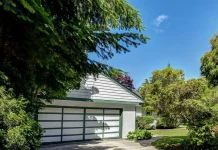
You’ve found a home with everything you wanted: a spacious kitchen, a comfortable backyard, and convenient access to Alderwood Mall and I-5. The listing says Lynnwood, WA, so you naturally assume the property sits within Lynnwood city limits.
But that assumption could be wrong.
Some properties carry Lynnwood mailing addresses even though they sit in unincorporated Snohomish County. The distinction might seem insignificant during a home tour, but it can influence property taxes, school assignments, building permits, and public services.
For Puget Sound residents relocating from Seattle, Shoreline, Edmonds, or Bellevue, these details deserve attention before submitting an offer.
A home’s mailing address tells you where it receives mail. Its jurisdiction tells you which local government oversees many important aspects of ownership.
Understanding that difference can help you evaluate a property beyond its listing description.
Why Doesn’t Every Lynnwood Address Fall Within City Limits?
Lynnwood sits in southern Snohomish County, surrounded by established neighborhoods and communities that share transportation routes, shopping destinations, and other amenities.
However, postal boundaries and municipal boundaries serve different purposes.
The postal system assigns mailing addresses for delivery purposes. Municipal boundaries determine which city or county government has authority over a particular location.
Consequently, a house near Martha Lake might have a Lynnwood mailing address without belonging to the incorporated City of Lynnwood.
Buyers exploring Alderwood Manor and other neighborhoods near municipal boundaries may encounter similar situations.
Even proximity to recognizable landmarks doesn’t establish jurisdiction. A property can sit near Lynnwood City Center Station or Alderwood Mall without necessarily falling inside city limits.
The City of Lynnwood recognizes this confusion and provides an interactive resource called Do I Live in Lynnwood, which allows residents to check individual addresses.
That simple verification should become part of your homebuying research.
1. Property Taxes Can Differ Between Nearby Homes
Imagine comparing two similarly priced houses near the northern edge of Lynnwood.
Both offer three bedrooms, updated interiors, and comparable lot sizes. Yet their annual property tax bills may differ.
Why?
Washington calculates property taxes based on assessed property values and applicable taxing district levies.
Depending on the parcel, those districts may include municipal governments, school districts, fire protection districts, libraries, and other public agencies.
A property inside Lynnwood city limits may have a different combination of taxing districts than a nearby property in unincorporated Snohomish County.
However, don’t assume that living outside the city automatically means paying less.
Differences in assessed values and applicable levies can change the total tax obligation.
When evaluating Lynnwood homes for sale, review each property’s tax records through the Snohomish County Assessor and Treasurer.
A knowledgeable real estate agent in Lynnwood can help you identify the relevant records and compare ownership expenses.
Remember that current tax bills don’t guarantee future amounts. Assessments, exemptions, and levies can change.
2. School Assignments Don’t Follow Mailing Addresses
Families moving throughout Puget Sound often prioritize school access when choosing a neighborhood.
However, a Lynnwood mailing address doesn’t guarantee attendance at a particular school.
The Edmonds School District serves Lynnwood and several neighboring communities, including areas beyond Lynnwood’s incorporated boundaries.
Its school attendance areas don’t simply mirror city limits.
For example, a family considering a property near Martha Lake shouldn’t assume that the closest school will automatically become their assigned school.
School attendance boundaries, enrollment policies, and grade-level assignments determine eligibility.
Before purchasing, verify the property’s assigned schools directly with the appropriate district.
Also ask about any approved boundary adjustments that could affect future enrollment.
A real estate listing can provide helpful school information, but the school district remains the appropriate authority for confirming assignments.
This matters especially for families planning to stay in their new homes for several years.
3. City Boundaries Affect Everyday Public Services
Consider a common homeowner problem: a damaged streetlight outside your property.
Who handles the repair?
The answer may depend on the property’s jurisdiction and which agency owns or maintains the equipment.
Inside Lynnwood, the city coordinates certain public infrastructure responsibilities. Outside incorporated boundaries, Snohomish County and other service providers handle applicable responsibilities.
Law enforcement provides another clear example.
The Lynnwood Police Department serves incorporated Lynnwood, while the Snohomish County Sheriff’s Office serves unincorporated county areas.
Fire protection and emergency medical services follow their respective service arrangements.
These differences don’t automatically indicate better or worse services. They identify the agencies responsible for responding to particular needs.
Understanding local jurisdiction can also help when reporting drainage problems, road damage, or neighborhood code violations.
For homeowners, knowing whom to contact can save considerable time.
4. Renovation Plans Depend on the Property’s Jurisdiction
A large backyard often inspires future projects.
Maybe you want to construct a detached garage, add an accessory dwelling unit, or expand your living space.
Before purchasing, investigate which development regulations govern the property.
The City of Lynnwood and Snohomish County maintain separate permitting processes and land-use requirements.
For example, Lynnwood’s Development and Business Services Department handles various building and land-use permits within city limits.
For property in unincorporated Snohomish County, the county generally oversees applicable building and land-use approvals.
The requirements can differ regarding setbacks, lot coverage, building dimensions, and permitted improvements.
Imagine buying an older home near Alderwood Manor with plans for a backyard cottage.
Although the lot looks spacious, easements, utility requirements, drainage conditions, or zoning restrictions might affect your proposed project.
A large lot doesn’t automatically guarantee development approval.
Before making renovation potential a deciding factor, consult the appropriate permitting authority.
5. Utility Connections Can Create Unexpected Ownership Costs
Two houses with Lynnwood addresses don’t necessarily receive identical utility services.
Water, wastewater, and stormwater services can involve different providers or service arrangements across southern Snohomish County.
This becomes particularly important when comparing older properties.
For example, a home outside incorporated Lynnwood might use an onsite septic system rather than a public sewer connection.
That distinction can affect inspection requirements, maintenance responsibilities, and future renovation plans.
However, don’t assume every unincorporated property uses septic or every incorporated property connects to public sewer.
Verify the actual system serving the parcel.
Buyers should investigate utility providers, available service records, and any known infrastructure concerns.
For properties with septic systems, review applicable inspection records and maintenance information.
These details may not stand out during a showing, but they can influence long-term homeownership expenses.
6. City Residency Can Affect Certain Recreation Benefits
Here’s a difference that many homebuyers overlook.
The City of Lynnwood offers resident discounts on eligible recreation programs, pool passes, facility rentals, and other qualifying activities.
The city bases these benefits on residency within its incorporated boundaries, not simply a Lynnwood mailing address.
That means two families living near the same recreation facility might face different rates for certain programs.
For households that regularly use the Lynnwood Recreation Center or participate in city recreation activities, this distinction may influence their expectations.
The financial difference might not determine your home purchase, but it demonstrates how municipal boundaries affect everyday life.
Before assuming you qualify for a city-specific benefit, confirm the current eligibility requirements.
How Can a Real Estate Agent in Lynnwood Help You Verify Boundaries?
Buyers don’t need to become experts in municipal geography.
They do, however, need reliable property information before making major financial commitments.
An experienced local agent can help organize the research and identify questions that deserve attention.
Use this practical checklist when evaluating a property:
- Confirm city jurisdiction. Enter the complete property address into Lynnwood’s official city-boundary map.
- Review county parcel records. Identify the parcel number, assessed value, and applicable taxing districts.
- Verify school assignments. Contact the appropriate school district rather than relying solely on listing information.
- Investigate building restrictions. Ask the relevant planning department about proposed renovations or additions.
- Identify utility providers. Confirm water, sewer or septic, and other essential service arrangements.
A real estate agent in Lynnwood can help buyers navigate these questions while comparing properties throughout southern Snohomish County.
For official determinations, rely on the responsible government agency or service provider.
Does Buying Outside Lynnwood City Limits Make Sense?
Absolutely. Municipal boundaries shouldn’t become the only factor guiding your decision.
Consider a buyer relocating from Seattle who wants additional living space without losing convenient access to major commuter routes.
A property near Martha Lake might offer the desired layout, yard, and neighborhood setting, regardless of whether it sits inside Lynnwood city limits.
Another buyer might prefer a home closer to Lynnwood City Center Station for regional transit access.
Both choices can make sense.
Evaluate the property’s condition, total ownership costs, transportation options, and compatibility with your lifestyle.
Neither incorporated nor unincorporated status automatically guarantees better appreciation, lower taxes, or superior services.
The better question isn’t which side of the boundary sounds more desirable. It’s which property meets your needs and expectations.
Verify the Boundary Before Making an Offer
A Lynnwood mailing address can help you locate a property, but it doesn’t tell the complete story.
For Puget Sound homebuyers, municipal boundaries can influence taxes, school assignments, public services, building permits, and even certain recreation benefits.
These differences don’t make one neighborhood universally better than another. They simply create considerations that deserve attention before purchasing.
Whether you’re exploring homes near Meadowdale, Martha Lake, or Alderwood Manor, evaluate each property individually.
Before submitting an offer, confirm the property’s actual jurisdiction and investigate the responsibilities that come with owning it.
A few extra questions during your home search can help you make a more confident decision and avoid surprises after moving in.