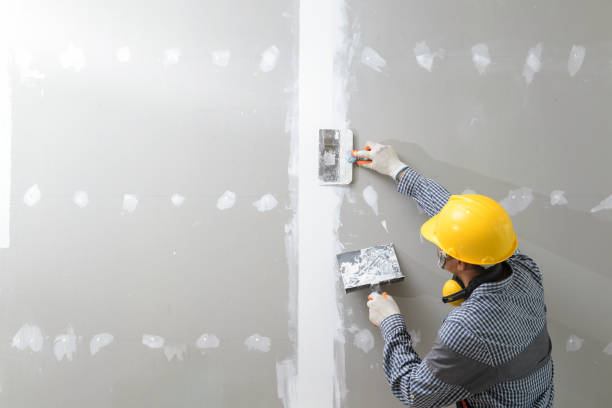
Drywall plays an important role in creating smooth, durable interior walls and ceilings. Whether you are finishing a new room, remodeling an older property, or repairing damaged surfaces, the quality of the drywall work can affect the appearance and longevity of the entire space. Understanding the installation and repair process can help you make informed decisions before work begins.
When searching for a drywall contractor in Burlington, IA, it helps to consider more than availability or project cost. Proper drywall work requires accurate measurements, appropriate materials, careful installation, and a consistent finishing process. Local property conditions, room use, moisture exposure, and the scope of the project can all influence which approach makes sense for your home or commercial building.
Common Drywall Problems to Watch For
Drywall can develop problems for several reasons, including impact damage, movement, installation issues, and moisture exposure. Before scheduling a repair, consider whether the visible problem is only on the surface or could be connected to an issue behind the wall.
Pay attention to:
· Cracks that continue to reopen after repairs
· Nail or screw pops appearing through the surface
· Soft or swollen sections that feel different from surrounding drywall
· Dents, holes, or impact damage
· Joint tape that has separated from the surface
· Uneven areas that become more visible when light hits the wall
Moisture-related damage requires additional attention. In Burlington and other Southeast Iowa properties, especially in areas affected by river or storm-related water conditions, a damaged wall may need more than a simple patch. Burlington’s official planning documents note that some older downtown buildings have foundations that are not watertight and can be affected by storm or flood events. The source of moisture should be corrected before replacement drywall is installed.
Choosing the Right Drywall for Your Space
Not every room requires the same drywall product. Standard drywall is commonly used in typical living areas, bedrooms, and other low-moisture spaces. Areas exposed to higher humidity may require moisture-resistant green board, while cement board is generally used as a backing material in wet-area applications where greater moisture resistance is required.
For areas where fire resistance is an important consideration, Type X fire-rated drywall may be appropriate. Project requirements, local building standards, and the location of the wall should guide the material selection.
A knowledgeable drywall contractor in Burlington, IA can help determine the appropriate material based on the room’s purpose, moisture exposure, and applicable construction requirements.
Understand Drywall Finish Levels Before Hiring a Contractor
One useful question to ask before approving a drywall project is which drywall finish level is included in the estimate. The industry commonly uses Levels 1 through 5 to describe how much finishing work is applied to the surface.
The levels generally indicate:
· Level 1: Basic joint treatment, typically used where the surface will remain concealed.
· Level 2: Joint tape and a thin coat of joint compound, often used in garages or areas where appearance is less important.
· Level 3: Additional joint compound is applied to create a more finished surface before certain textured finishes.
· Level 4: A common standard for painted walls and ceilings, with additional coats and sanding for a smoother appearance.
· Level 5: Includes a skim coat over the surface to produce the most uniform finish and help reduce visible variations under challenging lighting.
The finish level can affect labor, materials, appearance, and the overall project price. Asking for the specified level in the estimate can make it easier to compare proposals and understand what finished surface you are paying for.
Why Proper Installation Matters
A drywall project involves much more than attaching panels to framing. Panels need to be measured and cut accurately, fasteners need appropriate spacing and placement, and seams must be treated correctly.
The finishing stage is equally important. Joint compound is applied over seams and fasteners, followed by drying, sanding, and additional coats as needed. Each coat needs adequate drying time before the next stage can begin. Depending on temperature, humidity, ventilation, product selection, and the amount of compound applied, drying can take about a day or longer between coats.
Professional installation can also help reduce unnecessary material waste and improve the consistency of the finished surface.
How Long Does a Drywall Project Take?
The timeline depends on the size of the project and whether the work involves new installation, repairs, or replacement. A small repair may take a day or two, while finishing a complete room can take several days because of measuring, installation, taping, multiple coats of joint compound, drying, sanding, and final preparation.
Larger projects involving several rooms can take a week or longer. A contractor should explain the expected sequence of work and identify which stages depend on drying time. This can help homeowners plan around furniture movement, painting, electrical work, and normal use of the space.
Preparing for a Drywall Project
Before work begins, clear furniture and personal belongings from the work area when possible. Discuss electrical outlets, lighting fixtures, doors, windows, shelving, and other wall features before installation starts.
If existing drywall is being removed, identify potential plumbing or electrical components behind the walls. Any known leaks or moisture problems should also be resolved first.
For older Burlington properties, homeowners may also need to consider the existing condition of walls, ceilings, framing, and areas that have previously experienced moisture exposure. Burlington has a long history of older residential and commercial structures, including buildings in and around its historic districts, so existing construction conditions can vary from one property to another.
Clear communication about the desired finish, texture, repair areas, and project schedule can help prevent misunderstandings during the work.
Making an Informed Decision in Burlington
Your drywall project should be evaluated according to the condition of the existing surface, the type of room, the extent of damage, the required drywall product, and the desired finished appearance. Comparing these factors before work begins can make the process more predictable.
Before hiring a contractor, ask which drywall product will be used, what finish level is included, how long each stage is expected to take, and whether drying time has been included in the schedule. These questions can help you compare estimates based on the actual scope of work rather than price alone.
If you need drywall installation, repair, replacement, or finishing in Burlington, IA, IA Drywall can be contacted to discuss the project requirements. Providing details about the room, existing surface, moisture concerns, and desired finish can help establish the appropriate scope before work begins.