Roofing emergencies rarely happen at a convenient time. High winds, sudden torrential rain, fallen tree branches, or structural decay can compromise a building’s shield overnight. When water begins to breach your roof, every minute counts. Interior structural damage, ruined insulation, destroyed drywall, and rapid mold growth are secondary risks that escalate rapidly if an open roof is left exposed to the elements.
For property owners residing near regional transition zones, fast professional intervention is vital. A sudden breach demands immediate tactical measures to keep water out while a permanent repair plan is organized. Property owners looking for dependable service options across North OC & Border Areas can rely on OC Quality Builders to secure vulnerable roofs, stabilize compromised framing, and stop progressive damage before it spreads inside the home.
Understanding how emergency roof stabilization and tarping function helps property owners act quickly and decisively when crisis strikes.
Understanding Emergency Roof Tarping and Stabilization
Emergency roof tarping is a professional, high-grade temporary solution designed to shield a compromised building from water and weather. It is not simply throwing a tarp over a hole and weighing it down with rocks or sandbags. Professional tarping involves securing heavy-duty, UV-resistant, waterproof material directly to the roof structure using structural wood battens, specialized fasteners, and proper wrapping techniques.
Stabilization goes a step further by addressing the underlying structural framework. If a heavy limb punches through rafter boards or structural trusses sag under storm pressure, temporary internal bracing and external load redirection may be necessary to ensure the roof remains safe for workers and occupants alike.
Emergency mitigation fulfills three primary roles for a property owner:
- It immediately halts water entry, saving interior walls, ceilings, electrical systems, and flooring.
- It satisfies insurance policy obligations that require homeowners to take reasonable steps to prevent secondary loss.
- It buys valuable time for property owners to navigate insurance claims, select permanent roofing materials, and schedule full structural repairs without active water pouring into their living space.
When structural integrity is compromised, OC Quality Builders steps in to deliver complete emergency containment. Their team secures the breach quickly, giving property owners complete peace of mind while long-term reconstruction details are finalized.
Signs You Need Immediate Emergency Tarping
Not every roofing issue requires an immediate middle-of-the-night tarping deployment, but delaying action on severe damage leads to catastrophic interior restoration bills. Property owners should look out for several critical warning signs:
Active Interior Leaks and Water Pooling
If water is dripping through ceiling light fixtures, running down interior walls, or causing drywall to bulge dangerously, the outer roof barrier and underlayment have failed. Emergency mitigation must be deployed to contain the leak and drain trapped water safely.
Impact Damage from Trees or Flying Debris
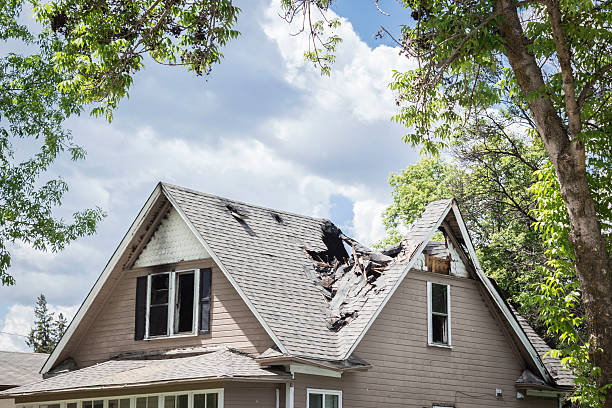
Storms can snap large tree limbs, sending them straight through shingle, tile, or flat roof decks. Impact damage leaves substantial openings that invite rain, pests, and debris into the attic structure.
Missing Shingles or Tiles Across Large Sections
High wind gusts can lift and tear away large swaths of asphalt shingles or shatter clay and concrete tiles. Exposed underlayment degrades quickly under sunlight and rain, making rapid tarping necessary to preserve the substrate underneath.
Fire, Firefighting Damage, or Vent Breaches
Attic fires, chimney blazes, or punch-outs created by emergency responders for ventilation leave major structural cavities that must be weather-sealed immediately to protect unburned portions of the residence.
For home and commercial property owners across North OC & Border Areas, OC Quality Builders offers rapid response to assess structural safety, clear dangerous debris, and install tight, long-lasting temporary tarping.
The Risks of DIY Roof Tarping
When faced with a damaged roof, some property owners consider climbing up with a tarp and a hammer to tackle the issue themselves. Professional contractors strongly advise against DIY emergency roof repairs due to several serious hazards:
Severe Personal Injury
Slippery surfaces, unstable roof decks, steep pitches, and high winds make storm-damaged roofs incredibly hazardous environments. Falling from a roof can result in life-altering injuries.
Further Roof Destruction
Walking improperly on weakened framing, fragile clay tiles, or loose shingles can multiply the damage. Untrained foot traffic often crushes underlying waterproofing layers, creating even more leak points.
Ineffective Tarp Installation
A simple tarpaulin nailed carelessly into shingles will quickly fail. Wind easily catches loose edges, turning improperly secured tarps into sails that rip away and pull off surrounding roofing materials. Professional installers anchor tarps over roof ridges, wrapping edges around wooden anchor strips to resist extreme wind lift.
By trusting trained technicians from OC Quality Builders, property owners avoid safety hazards while ensuring their property receives rigorous, weather-tested protection that stands up to ongoing bad weather.
How Professional Emergency Tarping Works
When professionals arrive on-site, emergency containment follows a precise, methodical procedure designed to maximize safety and protection.
First, technicians conduct a safety evaluation from ground level and accessible ladder points to check for downed power lines, compromised load-bearing walls, or unstable framing. Once the area is cleared for access, workers remove loose debris, broken shingles, or fallen branches from the immediate area to create a clean attachment surface.
Next, high-density polyethylene tarps are measured and cut to extend beyond the damaged area. To prevent water from running underneath the tarp edges, technicians extend the top edge over the peak or ridge of the roof whenever possible.
The perimeter of the tarp is wrapped around wooden anchor boards (battens) and fastened directly into structural rafters using heavy-duty screws. Wrapping the tarp around the wood prevents the fasteners from pulling through the plastic mesh under wind strain. Finally, critical seams are sealed, and interior spaces are checked to ensure active water intrusion has completely stopped.
Homeowners located throughout North OC & Border Areas can rely on OC Quality Builders to complete every step of this stabilization process with unmatched precision and attention to detail.
Protecting Your Insurance Claim and Long-Term Recovery
Properly documenting damage and securing your structure is a vital aspect of filing a successful homeowner insurance claim. Insurance policies standardly require policyholders to take reasonable steps to mitigate secondary water damage.
Professional tarping invoices, photos of the initial damage, and documentation of emergency mitigation work serve as clear evidence for insurance adjusters. By stopping active leaks immediately, you preserve structural framing, electrical networks, and finished interior spaces, avoiding complex insurance disputes over neglected moisture damage.
Partnering with an experienced general contractor ensures a smooth transition from temporary emergency protection to permanent restoration. OC Quality Builders handles the initial emergency stabilization while preparing comprehensive repair plans to rebuild your roofing system to the highest standards of safety, beauty, and durability.
Frequently Asked Questions
How long can an emergency roof tarp remain on my home?
A professionally installed emergency roof tarp from OC Quality Builders is designed to protect your home for several weeks to several months, giving you ample time to coordinate insurance claims and plan permanent roof repairs.
Will insurance cover the cost of emergency roof tarping?
In most cases, homeowner insurance policies cover professional emergency tarping and stabilization because policyholders are required to mitigate further loss after a storm or unexpected breach. OC Quality Builders provides detailed documentation to assist with your insurance claim process.
Can OC Quality Builders help with permanent roof repairs after tarping?
Yes, OC Quality Builders is a full-service contractor capable of transitioning your project seamlessly from emergency tarping and structural stabilization to full roof replacement or permanent restoration.
What should I do inside my house while waiting for emergency tarping?
If water is actively leaking inside, clear furniture and valuables away from the area, place buckets to catch dripping water, and puncture small holes in severe ceiling bulges to release trapped water safely. Contact OC Quality Builders immediately so our emergency crew can secure the roof deck.
Why shouldn’t I just put a plastic tarp over my roof myself?
Climbing on a damaged or wet roof poses severe fall hazards, and improper DIY tarping often fails during the next gust of wind. OC Quality Builders uses commercial-grade materials, specialized wooden battens, and safe installation practices to ensure your tarp stays secure without causing additional roof damage.