Every home improvement enthusiast loves the satisfaction of tackling a weekend project. You buy a couple of extendable nylon brushes, hook up your trusty wet-dry shop vacuum, and get ready to rid your air system of years of dust. It feels straightforward until you pull off your first register boot, shine a flashlight inside, and realize your supply trunk extends twenty feet into an unconditioned ceiling cavity. As an experienced technician who spends hot Florida afternoons navigating cramped attics and inspecting residential plenums, I can tell you that cleaning your HVAC system is vastly different from vacuuming living room carpets.
The Siren Song of the Weekend DIY Project
The appeal of taking matters into your own hands is completely understandable. DIY videos make the process look deceptively simple: unscrew the vent covers, run a flexible brush down the duct, and let your household vacuum suck up whatever gets dislodged. If you were only dealing with a light dusting on the surface of your living room registers, that approach might give you a temporary sense of accomplishment.
However, your forced-air heating and cooling setup is a complex mechanical ecosystem built on precise airflow balance. Simply stirring up debris near the register without proper containment often accomplishes the exact opposite of what you intended. Instead of removing particulate matter, a brush without adequate negative suction sends fine dust, pet dander, and microscopic pollen floating right back into your indoor living space. You end up redistributing settled dirt across your furniture while leaving the main trunk lines completely untouched.
What Your Household Vacuum Misses Deep in the System
To understand why household equipment falls short, look at the physics of air movement. A standard shop vacuum produces roughly 90 to 150 cubic feet per Minute of suction power through a narrow hose. That’s plenty of muscle for cleaning sawdust off a workbench, but it’s a drop in the bucket compared to what it takes to create negative atmospheric pressure inside a massive HVAC trunk.
A central air handler moves anywhere from 1,000 to 2,000 CFM during normal operation. To pull heavy, settled debris through dozens of feet of winding flex duct or rigid metal lining, you need commercial equipment that can generate several thousand CFM under continuous vacuum pressure. Without that intense suction pulling air continuously toward a high-efficiency particulate filter outside your living space, any dust you knock loose inside the ductwork simply settles further down the line near the main evaporator coil or supply plenum.
The Tampa Climate Factor: High Humidity and Fragile Flex Ducts
Operating an air distribution system in the Tampa Bay region creates mechanical challenges that homeowners in cooler, drier climates rarely face. Our local environment combines intense summer heat with relentless humidity, turning dark ductwork into a prime candidate for moisture accumulation. When humid air sweeps over cool metal components, condensation forms.
Most modern residential construction in Florida uses flexible ductwork, a thin wire coil wrapped in plastic sheeting and fiberglass insulation. Flex duct is remarkably efficient for routing air through tight roof trusses, but it is also delicate. An aggressive DIY brush attachment can easily puncture the thin inner liner when you sweep down a flexible duct line. A single tear in your flex duct lets hot, humid attic air pull directly into your airstream, spiking your monthly electricity bills and creating a breeding ground for organic growth.
Heavy-Duty Engineering: The Power of Negative Air Pressure
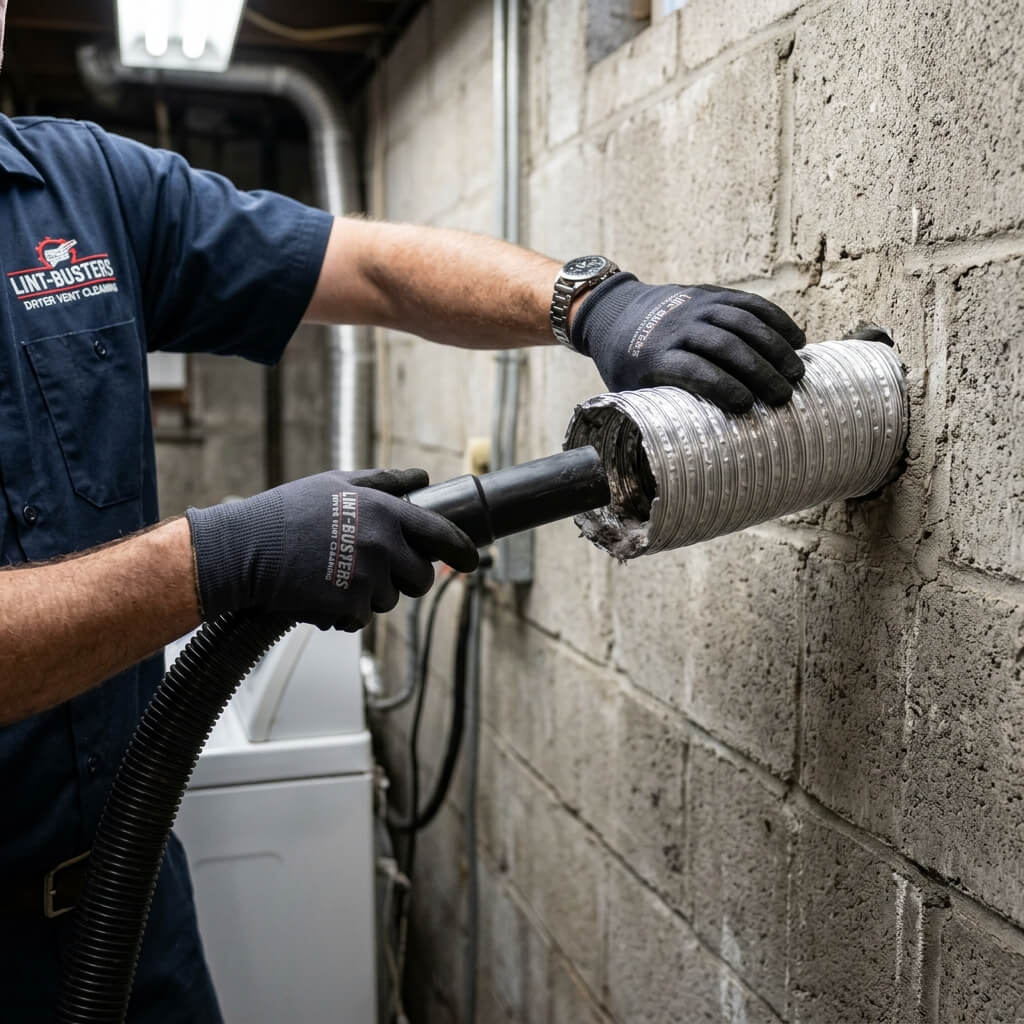
When professional technicians evaluate an air distribution network, they focus on complete containment and mechanical agitation. Instead of working from the vent inward, a certified team connects a powerful negative air machine directly to the primary supply and return trunks near the central handler. This creates a powerful vacuum loop throughout the property, ensuring air flows only one way: toward the containment system.
Once negative pressure is established, technicians feed specialized tools like pneumatic whips, air skippers, and controlled rotary brushes through each branch line. High-pressure air whips dislodge sticky biofilms, compacted lint, and heavy debris from the duct walls, while the continuous vacuum immediately extracts those particles from the building. This systematic approach cleans the internal surfaces without letting a single speck of dust leak into your living room. A comprehensive evaluation for Air Duct Cleaning Tampa ensures your system gets the mechanical suction and care it needs for optimal performance.
The Hidden Danger of Unintentional Ductwork Damage
Beyond inadequate cleaning power, attempting a major duct cleaning without professional training carries genuine financial risk. Modern HVAC systems contain sensitive electronic sensors, delicate airflow dampers, and expensive evaporator coils with fragile aluminum fins. Pushing rigid rods or improvised tools past a duct boot can easily bend coil fins, dislodge internal insulation lining, or disconnect a duct junction buried deep inside your ceiling.
A disconnected duct in an unconditioned attic space means your system will waste money cooling the rafters while starving your living rooms of conditioned air. Furthermore, if organic growth or moisture is present inside the system, attempting to scrub it dry without applying specialized, biocide treatments approved for air systems will only spread microscopic spores into every bedroom. Professional technicians can inspect the entire airflow circuit, identify structural breaches, and apply appropriate sanitation protocols without compromising your equipment’s structural integrity.
Restoring Airflow Efficiency and Breathing Easy Again
Tackling home improvement projects on your own is a great way to maintain your property, but your building’s mechanical lungs deserve a specialized touch. While a DIY attempt can clean off the surface of your vent covers, it cannot achieve the deep mechanical extraction required to pull years of compacted dust, allergens, and moisture-laden debris out of your main supply trunks.
Investing in a thorough, professional diagnostic and cleaning protects your flex duct investment, restores ideal static pressure, and optimizes indoor air quality for your family or commercial occupants. Do not let hidden attic dust and restricted airflow compromise your indoor comfort or strain your cooling equipment. Take the proactive step today by scheduling a professional inspection, protecting your HVAC investment, and enjoying the clean, refreshing air you deserve.