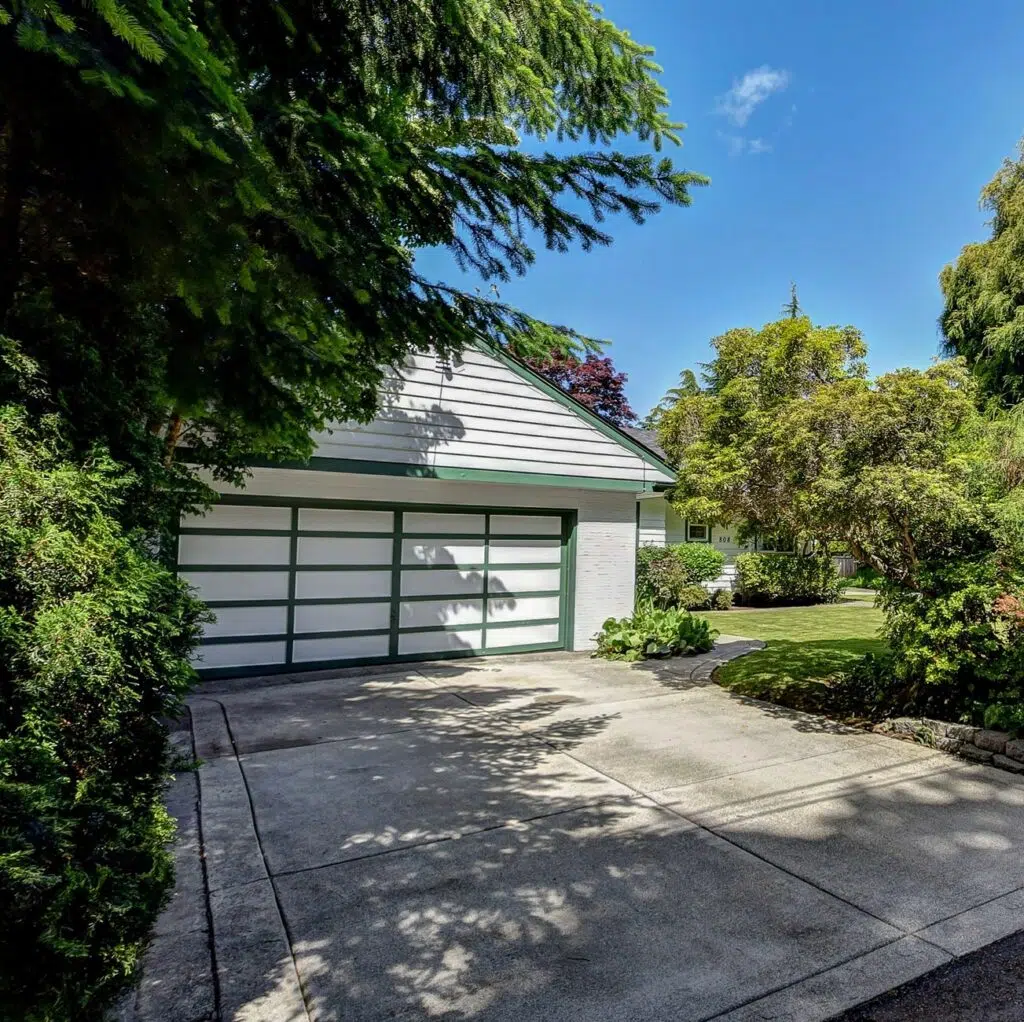
Imagine touring a charming 1970s home in Lynnwood’s Alderwood Manor area. The living room has original hardwood floors, the backyard offers plenty of space, and mature evergreens provide privacy. Everything looks promising until you notice a faint musty smell near the hallway and dark staining along the exterior siding.
Neither detail necessarily means the house has a serious problem. However, both deserve attention before you make an offer.
Older homes throughout Lynnwood and the surrounding Puget Sound region face maintenance challenges that buyers sometimes overlook during showings. Seasonal rainfall, aging construction materials, and decades of repairs can affect a property’s condition.
If you plan to buy a home in Lynnwood, understanding these concerns can help you recognize warning signs, ask better questions, and make a more informed investment.
Why Older Lynnwood Homes Require Closer Attention
Established neighborhoods around Alderwood Manor, Meadowdale, and Highway 99 contain homes from different construction periods. Their building materials, drainage systems, and renovation histories can vary considerably.
A house built in the 1960s might have updated electrical wiring but original sewer piping. Another property might feature a recently remodeled kitchen while retaining deteriorating siding behind its landscaping.
Neither situation automatically makes the property a poor purchase.
The challenge involves understanding which systems previous owners maintained, and which ones may need attention.
In western Washington, moisture management deserves consideration because repeated wetting and limited drying opportunities can accelerate deterioration when building components lack adequate protection.
- Moisture Problems Can Hide Beneath Attractive Interiors
A freshly painted room can look spotless even when moisture has affected nearby building materials.
During Lynnwood’s wetter months, water may enter through damaged flashing, deteriorating exterior joints, plumbing leaks, or poorly managed runoff.
Sometimes, buyers notice obvious stains. Other times, they encounter subtle clues.
Pay attention to:
- Musty odors inside closets or lower-level rooms.
- Soft wood around windows and exterior doors.
- Swollen baseboards or discolored flooring.
- Peeling paint near exterior walls.
- Persistent condensation around windows.
These symptoms can have different causes. Condensation, for example, doesn’t necessarily indicate a leaking window.
An experienced inspector considers the location, surrounding materials, and possible moisture sources before recommending further investigation.
Why Crawl Spaces Matter
Many older Pacific Northwest homes have crawl spaces beneath their living areas.
When groundwater, plumbing leaks, or inadequate ground vapor barriers introduce moisture, the space can develop damp conditions that affect wooden framing and insulation.
Ask your inspector to examine accessible crawl-space areas for standing water, wood deterioration, plumbing leaks, and moisture-control measures.
A comfortable living room doesn’t always reveal what happens beneath the floor.
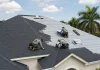
- Roof Drainage Deserves as Much Attention as Roof Age
Mature trees give many Meadowdale and Alderwood Manor properties their established appearance.
However, branches, needles, and falling leaves can accumulate on roofs and inside gutters.
Debris may restrict water movement and retain moisture against roofing materials.
Instead of focusing exclusively on the roof’s age, examine how the entire drainage system functions.
Look for damaged flashing, missing shingles, clogged gutters, and downspouts that discharge water near the foundation.
One particularly useful question is whether the homeowner has experienced recurring leaks despite previous repairs.
Repeated repairs in the same location may indicate an unresolved underlying problem.
A roofing professional can help determine whether the roof needs routine maintenance, localized repairs, or more extensive work.
- Sloping Yards Can Create Unexpected Drainage Challenges
A backyard with mature landscaping and gentle slopes can look especially appealing during a summer showing.
The situation may change when prolonged rainfall saturates the ground.
Properties around Meadowdale and other parts of Lynnwood with uneven terrain deserve careful evaluation of surface drainage.
Watch for soil that slopes toward the house, low areas beside the foundation, and retaining walls showing movement or separation.
Also examine whether driveways and walkways direct runoff toward the garage or crawl-space openings.
How Mature Landscaping Can Complicate Drainage
In established Lynnwood neighborhoods, homeowners may have changed landscaping, installed patios, or extended driveways several times over the property’s lifetime.
These modifications can alter original drainage patterns.
For example, a raised garden bed or paved walkway might redirect surface water toward an older foundation. Mature tree roots can also interfere with certain underground drainage components.
A property may have a French drain or other drainage system, but buyers shouldn’t assume it still functions properly simply because they see a drain opening.
Ask where the system carries water and whether the homeowner has maintained or repaired it.
When possible, visit the property during rainy weather. A wet-weather walkthrough may reveal standing water or runoff patterns that remain invisible during dry conditions.
- Aging Siding and Wooden Decks Need Careful Examination
Exterior wood components face repeated exposure to moisture throughout the Puget Sound region.
Older houses may contain wood siding, trim, decks, and porch structures that have experienced decades of seasonal weathering.
Pay particular attention to siding near ground level, exterior doors, and areas beneath roof intersections.
Wood-to-soil contact can increase the risk of moisture-related deterioration.
Likewise, vegetation growing directly against siding can reduce airflow and make routine inspections more difficult.
Don’t Judge a Deck by Its Surface Boards
A recently stained deck might look excellent from above while concealing problems underneath.
Deck safety depends on more than attractive boards.
The supporting posts, framing, connections, railings, and attachment to the house all matter.
Ask the inspector to evaluate accessible structural components and recommend a qualified contractor when concerns arise.
A loose railing or deteriorating connection deserves more attention than faded deck stain.
- Older Plumbing and Sewer Lines Can Affect Your Budget
Before you buy a home in Lynnwood, consider what lies behind the renovated bathroom walls.
Older properties may contain galvanized steel supply pipes, copper plumbing, or materials installed during subsequent renovations.
Galvanized pipes can experience internal corrosion that restricts water flow.
However, low water pressure alone doesn’t confirm pipe deterioration. Fixture problems, supply conditions, and other factors can produce similar symptoms.
Ask about previous leaks, pipe replacements, and recurring drainage problems.
The Sewer Line Is a Separate Concern
A standard home inspection generally doesn’t include a complete internal examination of the underground sewer lateral.
Older sewer pipes may develop cracks, displaced joints, deterioration, or root intrusion.
Properties with mature trees near the sewer route may benefit from a camera inspection by a qualified plumbing contractor.
This evaluation can provide information about pipe condition that ordinary fixture testing cannot reveal.
Understanding the sewer lateral before closing may help you avoid an expensive surprise after moving in.
- Electrical Updates May Not Cover the Entire House
An older Lynnwood home might feature modern kitchen appliances and attractive lighting while retaining electrical components from previous decades.
Partial renovations can create a mixture of older and newer equipment.
Ask about the electrical panel, branch-circuit wiring, grounding, and available capacity.
Homes with older electrical systems may need additional evaluation before owners install high-demand equipment such as EV chargers or certain electric heating systems.
Frequent breaker trips, damaged receptacles, and questionable wiring modifications deserve professional attention.
A licensed electrician can assess concerns that extend beyond the scope of a general home inspection.
- Insulation, Ventilation, and Heating Affect Everyday Comfort
A house can appear well-maintained while struggling with uneven temperatures and excessive indoor humidity.
Older homes sometimes have limited insulation, air leakage, or ventilation systems that no longer meet household needs.
During a showing, notice whether certain rooms feel significantly colder than others.
Ask about attic insulation, bathroom exhaust fans, crawl-space conditions, and heating equipment maintenance.
Remember that window condensation doesn’t always mean the windows need replacement.
Indoor humidity, ventilation, insulation, and surface temperatures can contribute to the problem.
An energy assessment may help buyers identify improvements that could increase comfort and reduce unnecessary energy consumption.
- Previous Renovations May Require Additional Questions
A beautifully remodeled home can create confidence, but cosmetic improvements don’t guarantee that contractors addressed underlying issues.
Request available documentation for major electrical, plumbing, structural, and exterior renovations.
Also check which authority oversees the property.
Some homes with Lynnwood mailing addresses fall outside city limits, so buyers should confirm the property’s jurisdiction before researching permit records.
For homes built before 1978, federal lead-based paint disclosure requirements generally apply, subject to certain exemptions.
Older building materials may also contain asbestos.
These materials don’t automatically make a house unsuitable for purchase. However, buyers should consider appropriate professional assessment before planning renovations that could disturb them.
How to Evaluate Repair Costs Before Buying
A lower asking price doesn’t necessarily mean lower ownership costs.
Imagine comparing two established Lynnwood properties.
One needs roof repairs, drainage improvements, and electrical updates. The other costs more but has documented maintenance and fewer immediate concerns.
To compare them fairly, separate potential expenses into three categories:
- Immediate concerns: Safety hazards, active leaks, and significant structural problems.
- Near-term maintenance: Aging equipment, deteriorating exterior components, and necessary preventive repairs.
- Optional improvements: Cosmetic renovations and upgrades that can wait.
Turn Inspection Findings Into a Realistic Repair Budget
Rather than treating every inspection finding equally, focus first on problems that could affect safety, cause additional damage, or require expensive repairs.
For significant concerns, request written estimates from qualified contractors before your inspection contingency expires, when your purchase agreement provides one.
Consider whether the estimated work involves related expenses. For example, repairing deteriorated siding might also require addressing damaged sheathing or the moisture source behind it.
Next, compare the anticipated repair costs with your available funds after the down payment and closing expenses.
Keep a separate reserve for unexpected maintenance rather than committing your entire remaining budget to planned renovations.
Depending on your purchase agreement and market conditions, inspection findings may also inform discussions about repairs, seller credits, or the purchase price.
The objective isn’t to eliminate every future expense. It’s to understand which costs you can reasonably manage and which could place unnecessary pressure on your finances.
Final Thoughts: Appreciate the Character, Understand the Responsibility
There’s a reason established Lynnwood neighborhoods continue to attract homebuyers.
Mature trees, distinctive architecture, spacious yards, and familiar residential streets can make an older property feel like home before you even move in.
But the same house that offers decades of character also carries decades of maintenance history.
Before you buy a home in Lynnwood, look beyond attractive finishes and consider how previous owners managed moisture, drainage, roofing, plumbing, and structural upkeep.
A well-maintained older home doesn’t need brand-new everything. It needs reliable systems, manageable repair requirements, and a realistic plan for future maintenance.
The goal isn’t to find a property without imperfections.
It’s to find one whose character you appreciate, whose condition you understand, and whose long-term responsibilities you can confidently manage