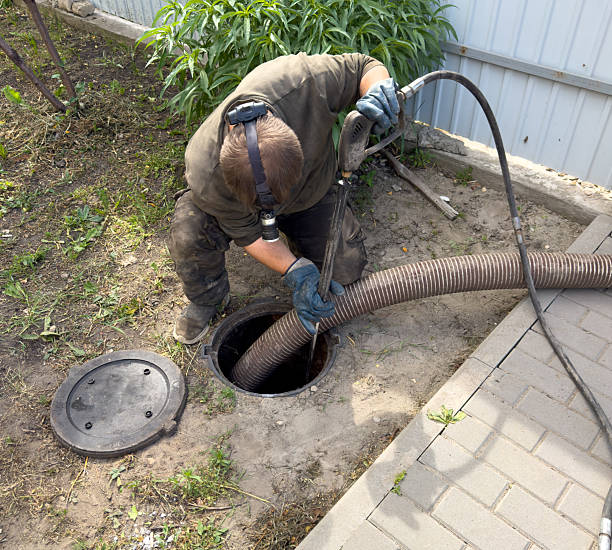
A slow or clogged drain can begin as a minor inconvenience, but it may become a serious plumbing problem if the underlying cause is ignored. In Iowa City homes, kitchen sinks, bathroom drains, showers, and floor drains handle wastewater every day. Grease, soap residue, hair, food particles, and other debris can gradually restrict water flow. Recognizing the early warning signs can help you address a developing blockage before it affects other parts of your plumbing system.
When water drains slowly or backs up unexpectedly, drain cleaning in Iowa City can help restore normal flow and address buildup inside the drain line. A recurring blockage may indicate that debris has accumulated deeper within the pipe rather than simply near the drain opening. Understanding why these problems occur makes it easier to choose the right solution and reduce the chance of repeated backups.
Common Warning Signs of a Clogged Drain
Some drain problems develop gradually, while others appear suddenly. Watch for these signs around your property:
· Water pooling around your feet in the shower
· A kitchen sink that takes longer than usual to empty
· Gurgling sounds coming from drains
· Unpleasant odors coming from pipes
· Water backing up into a sink, tub, or floor drain
· Repeated clogs despite using basic household cleaning methods
A single slow drain may involve a localized obstruction. However, several slow drains at the same time can point toward a larger issue within the main drainage system.
What Causes Drain Blockages?
Drain lines collect more than wastewater. Everyday materials can stick to pipe walls and gradually reduce the available passage for water.
Kitchen drains commonly become restricted by cooking grease, oils, food scraps, and fibrous materials. Bathroom drains frequently collect hair, soap residue, and personal care products. In older plumbing systems, mineral deposits and accumulated sediment can also contribute to restricted flow.
Outdoor and underground drainage lines may experience different problems. Tree roots can enter damaged joints or cracks, while shifting soil can place pressure on underground pipes. These issues usually require more than a simple surface-level cleaning.
Why Professional Cleaning Can Help
Professional drain cleaning uses specialized equipment to clear buildup and obstructions from plumbing lines. Depending on the location and severity of the blockage, a technician may use cable augering, hydro jetting, sewer camera inspection, or root cutting to identify the cause and restore proper drainage.
Thorough cleaning can improve water flow and remove material that repeatedly contributes to blockages. It can also help identify conditions that may require additional plumbing work. If a drain keeps clogging shortly after being cleared, the problem may be related to pipe damage, root intrusion, or another underlying condition.
Simple Ways to Prevent Future Clogs
Regular maintenance can reduce unnecessary strain on your plumbing system. You can help protect your drains by:
· Avoiding the disposal of grease and cooking oil down sinks
· Using drain screens to catch hair and solid debris
· Keeping food scraps out of sink drains
· Flushing drains with appropriate amounts of water
· Addressing slow drainage instead of waiting for a complete blockage
If you notice recurring drainage problems, drain cleaning in Iowa City may be worth considering before the issue develops into a more disruptive backup.
Keep Your Iowa City Drains Flowing
Healthy drains depend on proper use, timely maintenance, and attention to warning signs. A slow drain is not always a minor annoyance, especially when the problem keeps returning. Identifying the cause early can help protect your plumbing system and prevent avoidable disruptions.
For persistent clogs, unusual odors, repeated backups, or multiple affected drains, professional drain cleaning in Iowa City can provide a practical way to restore proper drainage and determine whether a deeper plumbing issue needs attention.