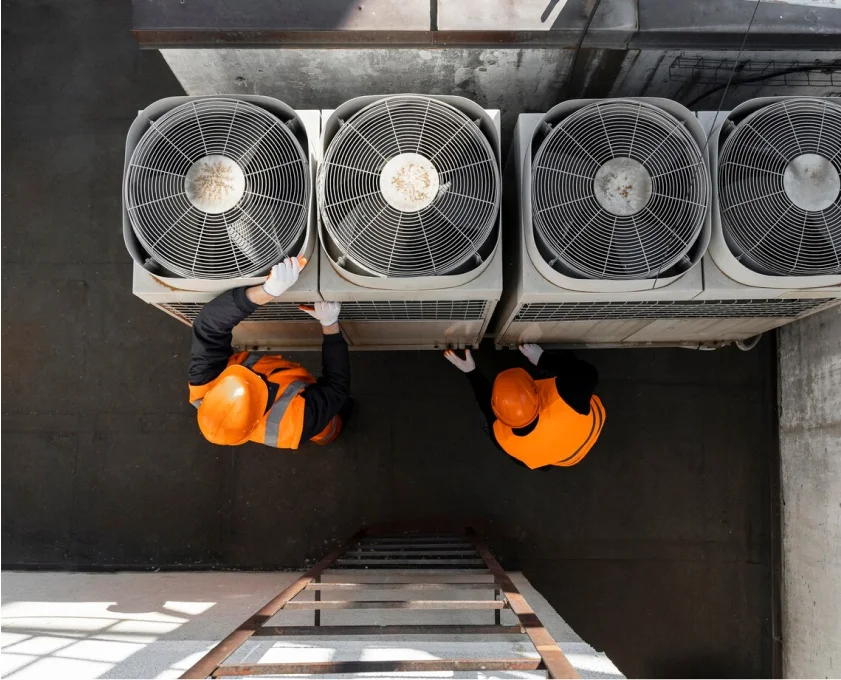
As autumn arrives, cooler temperatures bring a welcome relief from summer heat, but they also usher in peak fall allergy season. Millions of homeowners experience sneezing, itchy eyes, nasal congestion, and fatigue as ragweed pollen, mold spores, and dust mites peak. While many people focus on outdoor triggers, indoor air quality often plays a far bigger role in daily allergy symptoms. Partnering with professional Air Duct Cleaning Experts helps remove trapped biological irritants from your HVAC system, ensuring your living space stays clean and healthy all season long.
Understanding the connection between air ducts and fall allergies is essential for maintaining a comfortable living environment. Over spring and summer, HVAC systems draw in huge amounts of airborne debris that settle deep within the ductwork. When you turn on your heater for the first time in autumn, those trapped particles recirculate through every room in your house. In this comprehensive guide, we will examine how contaminated ventilation systems worsen autumn allergy symptoms, identify common indoor triggers, and share actionable steps to improve your home’s air quality.
The Hidden Link Between Air Ducts and Fall Allergies
Your HVAC network acts as the breathing system of your home, constantly circulating air to maintain your set indoor temperature. During warmer months, air conditioning units draw in outdoor air along with microscopic particles like ragweed pollen and environmental dust. Over time, these fine particles stick to duct walls, return vents, and blower components.
When autumn temperatures drop and you switch your system from cooling to heating, the sudden shift in airflow dislodges accumulated debris. Instead of providing clean heat, dirty air ducts blow concentrated blasts of allergens back into your bedrooms, living rooms, and kitchen. This continuous recirculation forces family members to breathe polluted air, leading to persistent respiratory distress throughout the season.
Major Fall Allergy Triggers Hiding in Your Ductwork
Autumn brings a unique mix of organic and biological allergens that thrive in ventilation systems. Recognizing these common indoor pollutants is the first step toward effective mitigation.
1. Ragweed Pollen
Ragweed is the single largest trigger for autumn allergies, producing billions of light pollen grains that travel miles through the wind.
- The Impact: These tiny particles easily bypass standard furnace filters and settle inside horizontal duct runs.
- The Result: Every time your system fan cycles on, stored pollen spreads through your living spaces, causing sneezing fits and watery eyes.
2. Mold and Mildew Spores
Fall moisture combined with fallen leaves creates prime conditions for outdoor mold spores, which enter your home on shoes and clothing.
- The Impact: Air conditioning coils generate dark, damp environments where mold spores can attach and multiply over the summer.
- The Result: Switching on the heat dries out these areas, releasing millions of microscopic mold spores directly into your breathing zone.
3. Dust Mites and Pet Dander
As homes are closed up tight for cooler weather, indoor allergen concentrations naturally spike.
- The Impact: Microscopic dust mites thrive in warm ventilation systems, feeding on human skin cells and pet dander.
- The Result: Dust mite waste products become airborne, triggering severe allergic reactions, throat irritation, and asthma flare-ups.
Signs Your HVAC System Is Worsening Fall Allergies
Recognizing the warning signs of a contaminated ventilation system allows you to take action before symptoms worsen. Pay close attention to these indicators:
- Symptom Spikes Indoors: Your allergy symptoms become noticeably worse inside your house than when you are outside or at work.
- Visible Dust Buildup: Dust rapidly accumulates on furniture, shelves, and countertops shortly after you finish cleaning.
- Musty Odors: A distinct stale or moldy scent drifts from your supply registers when the heat turns on.
- Unbalanced Airflow: Certain rooms feel stuffy or exhibit weaker airflow due to heavy debris accumulation inside the vents.
Comparison of Fall Allergens and Indoor Impacts
| Allergen Type | Primary Source | Duct Effect | Common Health Symptoms |
|---|---|---|---|
| Ragweed Pollen | Outdoor plants | Settles in return ducts during late summer | Sneezing, runny nose, itchy eyes |
| Mold Spores | Damp leaves and AC coils | Grows in moist, dark duct corners | Coughing, wheezing, throat irritation |
| Dust Mites | Household dust and fabric | Multiplies in warm supply vents | Morning congestion, skin irritation |
| Pet Dander | Cats and dogs | Clings to sticky duct walls | Asthma triggers, persistent sinus pressure |
Actionable Steps to Reduce Allergens and Improve Air Quality
Protecting your household from autumn allergen spikes requires a multi-layered approach to maintenance and cleaning. Following a structured preventative routine keeps your HVAC system running cleanly and efficiently.
1.Replace Your Air Filters Monthly:
Swap out basic fiberglass filters for high-efficiency MERV-rated filters designed to capture fine pollen and mold spores. During peak allergy season, inspect and replace filters every thirty days to prevent clogging and maintain maximum airflow.
2.Seal Supply Vents During Yard Work:
When mowing the lawn or blowing fallen leaves outside, keep windows closed and turn off your HVAC unit temporarily to prevent outdoor debris from getting sucked into intake vents.
3.Maintain Consistent Household Humidity:
Keep indoor relative humidity levels between thirty and fifty percent using a dedicated dehumidifier. Controlling moisture stops mold growth inside ductwork and creates an inhospitable environment for dust mites.
4.Vacuum and Dust Systematically:
Use a vacuum cleaner equipped with a certified HEPA filter to clean carpets, rugs, and upholstered furniture twice a week. Wipe down register grilles with damp microfiber cloths to capture surface dust before it enters the system.
5.Schedule Professional Duct Maintenance:
Hire certified professionals to perform deep negative-pressure air duct cleaning. Industrial vacuums and specialized rotary brushes remove years of caked-on pollen, dander, and mold spores from your entire ventilation network.
Key Takeaways
Addressing the relationship between air ducts and fall allergies is vital for maintaining a healthy home environment when temperatures drop. Trapped pollen, mold spores, and pet dander inside ventilation systems continuously circulate, exacerbating autumn allergy symptoms and lowering indoor air quality. By upgrading air filters, maintaining ideal humidity levels, and scheduling thorough professional duct cleaning, you eliminate allergen reservoirs at the source. Taking proactive control of your indoor air ensures your family breathes easy and stays comfortable all autumn long.