A fireplace can be a valuable feature in a home, especially when colder weather arrives. It provides warmth, creates a comfortable atmosphere, and can become a natural gathering place for family and friends. However, the performance and safety of a fireplace depend heavily on the condition of the chimney connected to it.
Because much of a chimney is out of sight, homeowners may not think about it until something goes wrong. Soot, creosote, debris, moisture, animal nests, and structural deterioration can develop gradually. Without regular attention, these issues may eventually affect airflow, fireplace performance, and the condition of the surrounding structure.
Understanding what chimney sweeping involves and why it matters can help homeowners make better decisions about maintaining this important part of the home.
Why Chimneys Accumulate Debris
Whenever a wood burning fireplace operates, smoke travels through the chimney and exits above the roof. Along the way, combustion byproducts can settle against the interior walls of the flue.
Soot is one common residue. Another is creosote, a combustible substance produced during the combustion process. Creosote can take several forms, ranging from a loose powder to a sticky or hardened layer that adheres firmly to the flue.
The amount that accumulates depends on several factors, including the type of wood being burned, moisture content, fireplace usage, combustion temperature, and ventilation.
Even when a fireplace appears to operate normally, deposits can continue to build up inside the chimney. This is why visual inspection from the living room is not enough to determine whether the flue is clean.
What a Chimney Sweep Actually Does
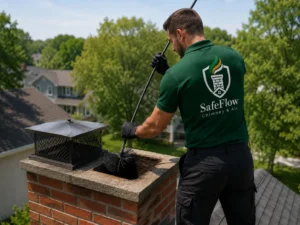
Chimney sweeping involves removing accumulated soot, creosote, and other debris from the chimney and related areas. Professional equipment is designed to reach portions of the flue that homeowners cannot easily access.
A professional sweep may also look for obvious signs of deterioration or obstruction during the service. This can include checking accessible sections for damaged components, animal nesting, excessive deposits, or other conditions that could interfere with proper operation.
For homeowners researching professional assistance, a SafeFlow chimney sweep service can be one option to consider when maintaining a fireplace and chimney system.
Sweeping and inspection are related but are not exactly the same service. Cleaning removes deposits, while an inspection evaluates the condition of the chimney. Depending on the circumstances, homeowners may need one or both.
Creosote Is More Than Just Dirt
It can be tempting to think of chimney deposits as ordinary dirt that simply needs to be removed for cleanliness. Creosote deserves more attention because it is combustible.
As creosote accumulates, the material can become increasingly difficult to remove. Certain forms can adhere strongly to the interior surface and may require specialized cleaning methods.
A chimney fire can occur when combustible deposits ignite. High temperatures generated during such an event can damage flue components and surrounding materials, even when the damage isn’t immediately obvious from inside the home.
Regular maintenance can help reduce the amount of combustible material inside the flue and provide an opportunity to identify conditions that require attention.
Moisture Can Damage the Chimney Too
Chimney problems aren’t limited to what’s happening inside the flue. Water can cause significant deterioration on the exterior and interior of the structure.
Rain and melting snow can enter through damaged chimney caps, cracks, deteriorated mortar, faulty flashing, or problems with the chimney crown. Once moisture penetrates masonry, it can gradually weaken bricks and mortar.
In colder climates, repeated freezing and thawing can make the situation worse. Water trapped in porous masonry expands when it freezes, potentially widening existing cracks and contributing to further deterioration.
Homeowners should therefore look beyond the fireplace itself when evaluating chimney condition. A chimney that appears functional during a fire may still have exterior problems that need to be addressed.
Signs That Should Get Your Attention
A change in fireplace behavior can provide an early warning that something isn’t functioning properly.
Smoke entering the living area is one obvious concern. Persistent smoky odors, poor draft, difficulty maintaining a fire, or unusual sounds coming from the chimney can also justify further evaluation.
Exterior warning signs may include cracked bricks, deteriorating mortar, visible water staining, damaged flashing, or missing components around the top of the chimney.
Animal activity should also be taken seriously. Birds, squirrels, raccoons, and other animals can enter chimneys and create nests or leave behind debris. An obstruction can interfere with ventilation and may introduce combustible material into the flue.
If something seems different from the way the fireplace normally operates, homeowners shouldn’t assume the issue will correct itself.
How Firewood Choices Affect Chimney Condition
Homeowners have some control over how quickly deposits accumulate.
Burning properly seasoned firewood can promote more efficient combustion than using freshly cut or excessively damp wood. Wet wood tends to produce more smoke, which can contribute to increased deposits inside the chimney.
The materials burned also matter. A fireplace should not be treated as an alternative household waste disposal system. Painted wood, treated lumber, plastics, wrapping materials, and trash can release undesirable substances and may damage components.
Using the fireplace as intended is one of the simplest ways homeowners can support better chimney performance between professional services.
Sweeping Is Part of a Larger Maintenance Plan
Cleaning the chimney is important, but homeowners should think about the entire fireplace system.
The firebox, damper, chimney cap, flashing, masonry, liner, and surrounding structure can all affect performance. Problems with one component may eventually influence another.
For example, a damaged chimney cap can allow water and debris into the flue. A deteriorating liner may affect how combustion gases are contained. Damaged masonry can allow moisture to reach areas that should remain protected.
This is why professional evaluation can be useful, particularly for older systems or properties with an uncertain maintenance history.
How Often Should a Chimney Be Cleaned?
There isn’t one universal schedule that applies equally to every household. Usage, fuel type, fireplace design, wood quality, and the amount of residue produced can all affect how frequently cleaning is appropriate.
A fireplace used frequently throughout the colder months may require more attention than one used only occasionally. Homes with older systems or a history of excessive buildup may also require closer monitoring.
Instead of relying solely on a calendar, homeowners should consider usage patterns and professional recommendations. Keeping records of previous cleanings and inspections can make it easier to track the condition of the chimney over time.
Preparing Before Fireplace Season
The best time to discover a chimney problem is before the fireplace is needed regularly.
Before the start of heavy seasonal use, homeowners can check the visible exterior of the chimney and look for obvious signs of deterioration. They can also make sure smoke and carbon monoxide alarms are installed and functioning properly.
If the fireplace hasn’t been used for a long period, it is especially important to consider whether animals, debris, moisture, or other issues may have affected the system during its downtime.
Taking care of these concerns ahead of time is generally preferable to discovering a problem on a cold evening when the fireplace is needed immediately.
A Cleaner Chimney Supports a Better Fireplace Experience
A chimney does an important job every time a fireplace burns. It carries smoke and combustion gases away from the home while helping maintain the airflow required for proper operation.
Over time, however, soot, creosote, moisture, debris, and structural wear can interfere with that process. Regular sweeping, appropriate inspections, safe burning practices, and timely repairs can help homeowners maintain the system and protect their investment.
Chimney care doesn’t have to be complicated. The most important step is recognizing that the system requires attention even when everything appears to be working normally.
By making chimney maintenance part of routine home care, homeowners can reduce preventable problems, support better fireplace performance, and approach each new season with greater confidence in the condition of their chimney..