Surviving the Texas Sun on Your Back Porch
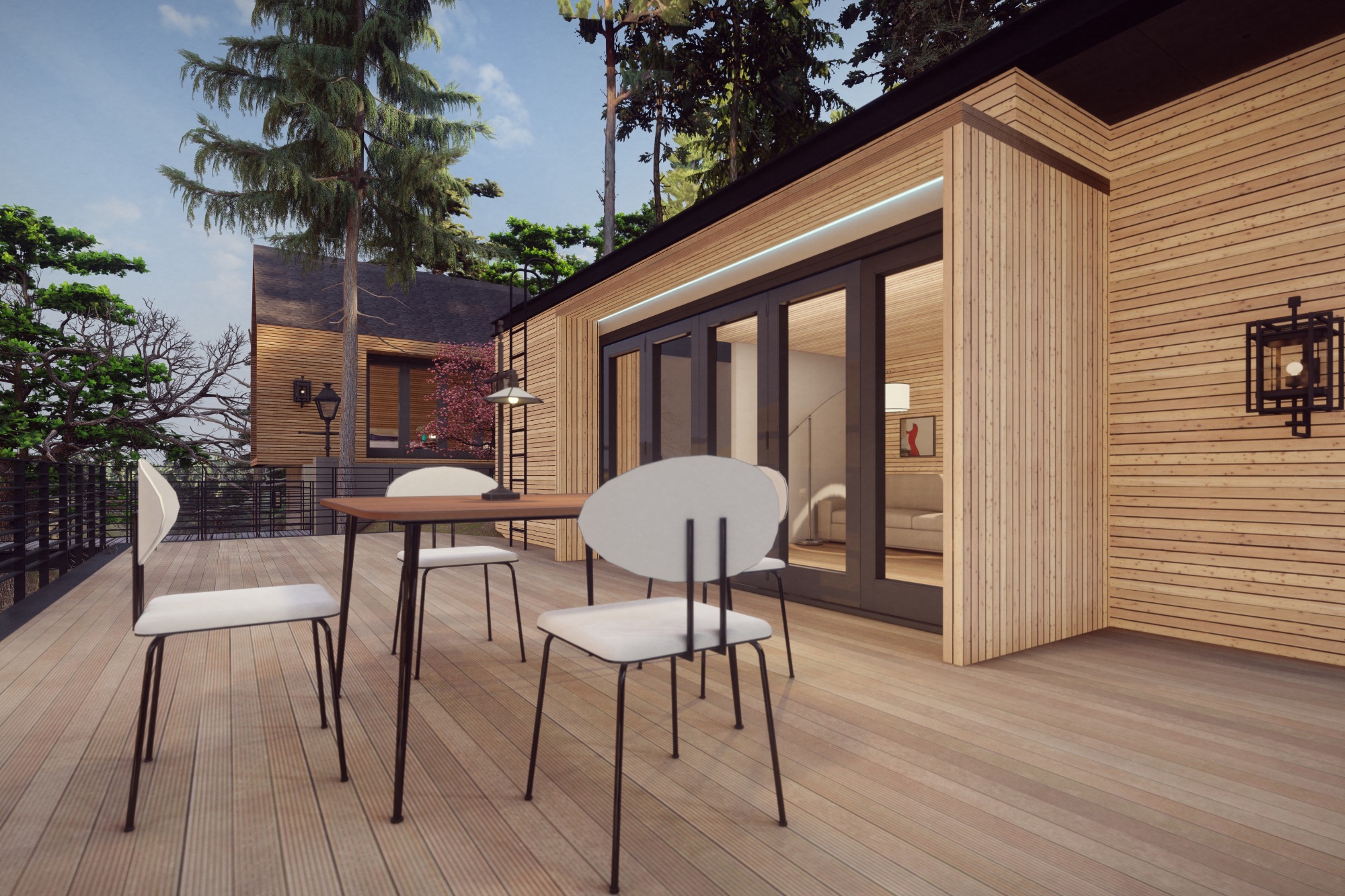
Living in Austin means you measure the changing seasons by whether you can walk barefoot across your patio without instantly regretting your life choices. When the summer temperatures soar into the triple digits, your outdoor living space transforms into the ultimate battleground for your choice of building materials. Designing or upgrading an exterior platform is an exciting venture, but it quickly forces you to confront a classic debate. Do you stick with traditional natural timber, or do you upgrade to modern composite boards? As a local builder who has spent decades sweating through job sites across central Texas, I have seen firsthand how our brutal climate punishes subpar installations. Picking the right surface requires looking past the glossy catalog photos and understanding how these products handle relentless UV radiation and sudden downpours.
The Allure and Agony of Natural Wood
There is an undeniable charm to authentic lumber that modern engineering struggles to replicate completely. Natural wood brings a warm, organic character to your backyard that instantly feels like home. When you step out onto a freshly stained cedar or pressure-treated pine structure, you get that authentic grain and earthy aroma that purists adore. It is also initially much lighter on your wallet during the first installation phase, which leaves room in the budget for other backyard upgrades like custom pergolas or built-in seating.
However, owning a timber platform in our region demands a serious maintenance commitment. The local sun acts like a relentless blowtorch, drying out the natural oils and leaving behind a faded, gray surface if you skip your annual sealing routine. Furthermore, moisture swings from sudden spring thunderstorms cause wood to warp, cup, and splinter. If you enjoy spending your weekends sanding, staining, and driving loose nails back into place, wood is a fine companion. If your idea of a relaxing weekend involves a cold drink rather than a power washer, you might want to keep reading.
Enter the Era of Low-Maintenance Composite
Composite materials have evolved dramatically over the last decade, stepping far away from the plastic-looking planks of the early 1990s. Today, high-end capped composites feature intricate grain patterns and rich color variations that mimic exotic hardwoods without demanding the same level of babysitting. The outer polymer shell acts like an invisible shield, protecting the inner core from moisture absorption, insect damage, and fading.
For property owners who want a pristine outdoor area that looks brand new year after year, composite solutions are a massive game changer. You will never have to worry about splinters piercing tender feet, and you can officially retire your paintbrush. Spilled barbecue sauce, red wine, or muddy paw prints wash away with a simple rinse of soapy water. While the upfront investment is undeniably higher than timber, the long-term savings on maintenance products and labor quickly balance the scales over the lifespan of the structure.
Thermal Performance Under the Texas Sun
Let us address the elephant in the room, or rather, the scorching hot planks under your feet. One common drawback of synthetic boards is their tendency to absorb and retain heat during peak afternoon hours. Traditional timber gets warm, but certain composite formulations can heat up intensely under direct sunlight. If your backyard faces south and gets blasted by afternoon rays, walking outside barefoot in August requires a bit of strategy regardless of what your floor is made of.
Choosing the right color shade makes a massive difference here. Lighter earth tones, grays, and sandy hues reflect a significant amount of sunlight, keeping the surface much cooler than dark browns or charcoal choices. Additionally, modern manufacturing incorporates heat-mitigating technologies into the shell layer, drastically improving comfort levels. When we plan a professionalDeck Installation Austin, we always factor in sun exposure, shade trees, and orientation to ensure your outdoor oasis remains usable even during the peak of summer.
Structural Integrity and Weather Resilience
Building outdoors in central Texas means designing for extremes. Our soil shifts heavily between wet seasons and dry spells, and our weather can swing from freezing winter mornings to suffocating summer afternoons. Wood structures rely heavily on the underlying framing and proper fastening to resist this movement, but timber will eventually succumb to rot if water finds a way into hidden joints.
Composite boards offer superior dimensional stability. They do not sag, twist, or buckle the way lower-grade lumber often does when exposed to severe weather cycles. Because the material is engineered to resist moisture penetration, you eliminate the primary cause of structural decay. Paired with a properly engineered pressure-treated or steel substructure, a composite surface provides decades of reliable performance with minimal structural anxiety.
Making the Final Call for Your Backyard
Deciding between natural wood and composite materials ultimately boils down to how you want to spend your time and money. If you cherish the authentic feel of real timber and do not mind rolling up your sleeves for routine maintenance every year, wood offers classic beauty on a budget. If you value your weekends, prioritize long-term durability, and want a surface that withstands the elements with grace, composite is the clear winner for local conditions. Evaluate your property exposure, calculate your long-term maintenance tolerance, and design a space that invites you outside rather than creating chores. Reach out to our construction experts today, and let us help you map out the perfect outdoor living area tailored specifically to your lifestyle.