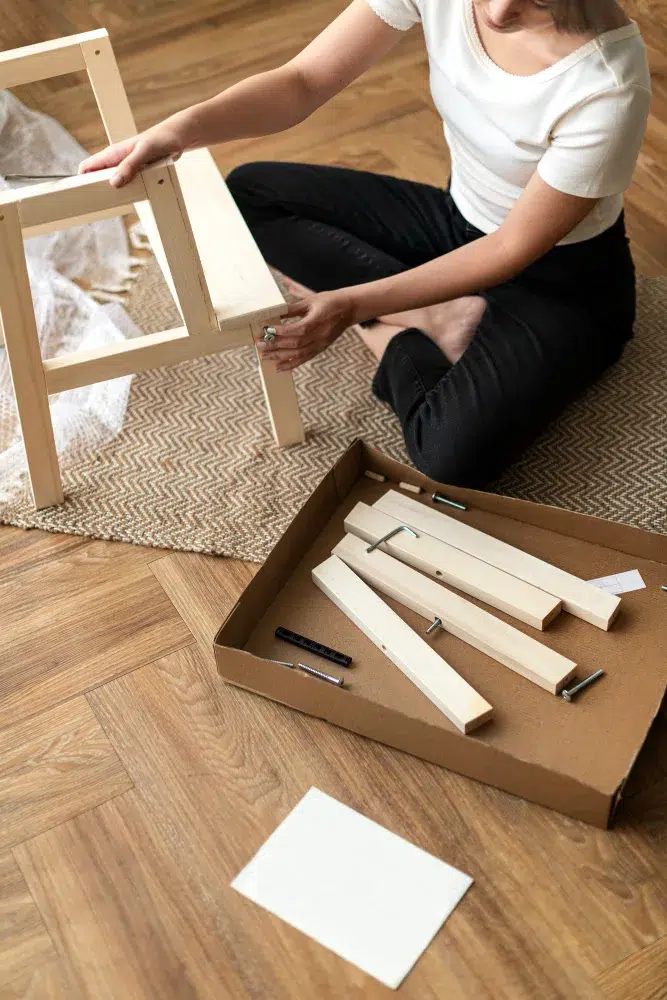
You’ve spent two hours assembling your new dresser. The drawers slide smoothly, the handles look perfect, and you’re finally ready to move it into the bedroom. There’s just one problem: the dresser won’t fit around the corner in your hallway.
Now you have two choices. Take it apart or risk damaging the furniture while forcing it through.
Situations like this can turn an exciting apartment move into an exhausting weekend.
For Everett residents moving during fall, frequent rain, shorter daylight hours, and apartment building requirements can add complications. Whether you’re moving into a downtown apartment or relocating near Silver Lake, understanding a few common furniture assembly mistakes can help you protect your purchases, avoid unnecessary work, and settle in comfortably.
Measuring the Room but Forgetting the Delivery Route
A dresser might fit perfectly against your bedroom wall but never make it through the apartment entrance.
This becomes especially important when moving into buildings with narrow stairwells, shared hallways, or limited elevator space.
Everett renters encounter different moving arrangements depending on their buildings. An apartment in an older residential property around Bayside may require stair access, while a larger apartment community elsewhere in Everett might have elevators and designated loading areas.
Before ordering bulky furniture, measure:
- Entry doors, interior doorways, and hallway widths.
- Stairwell corners and elevator interiors.
- Available ceiling clearance.
- Space for opening drawers and cabinet doors.
- Package dimensions and assembled furniture measurements.
Ask your property manager about delivery parking, elevator reservations, and moving-hour restrictions.
Remember that a furniture package may fit through a doorway even when the fully assembled item won’t.
Planning the entire delivery route prevents an expensive mistake before moving day begins.
Assembling Furniture Before Choosing Its Final Position
One of the easiest ways to create unnecessary work involves assembling large furniture in the wrong room.
Imagine completing a king-size bed frame in your living room, only to discover that its assembled dimensions prevent you from moving it into the bedroom.
For larger furniture, bring individual components into their intended room before starting whenever possible.
However, consider the manufacturer’s assembly sequence.
Some wardrobes require horizontal assembly before two people raise them upright. Others use different construction methods.
Check ceiling clearance before lifting a completed cabinet. A tall wardrobe may fit comfortably when upright but require additional height while rotating into position.
Professional furniture installation in Everett can help renters assess these space limitations before assembly begins.
For compact apartments, the correct assembly location matters just as much as the tools you use.
Exposing Flat-Pack Furniture to Everett’s Fall Rain
Fall moving days in Everett require extra attention to moisture.
October and November typically bring wetter conditions, making uncovered loading areas and long walks from parking spaces less convenient.
This matters because many affordable furniture products contain particleboard or medium-density fiberboard (MDF).
Although protective finishes cover many surfaces, exposed edges and unfinished sections can absorb water. Excessive moisture may cause swelling, weakening joints or preventing panels from fitting correctly.
Protect your furniture by:
- Keeping packages covered during unloading.
- Avoiding direct contact with wet pavement.
- Moving cardboard boxes indoors promptly.
- Inspecting exposed panel edges before assembly.
- Checking for moisture damage before discarding packaging.
If a panel has swollen, don’t force screws or connectors into place.
Contact the retailer about replacement components.
Renters with uncovered building entrances should also consider how far movers must carry packages between the vehicle and apartment.
A little preparation can prevent moisture damage before assembly even starts.
Mixing Up Hardware and Damaging Furniture Connections
Flat-pack furniture manufacturers often include screws, dowels, bolts, and connectors that look remarkably similar.
Using the wrong component can damage a panel or compromise the furniture’s stability.
Three assembly details deserve particular attention.
Cam Locks and Bolts
Cam-lock fittings connect panels in many ready-to-assemble furniture products.
The cam must align with its corresponding bolt. Incorrect positioning can prevent a secure connection, while excessive force can damage the fitting.
Wooden Dowels
Dowels help align adjoining panels.
Check their designated holes before inserting them. Forcing a dowel into the wrong opening can split or deform the surrounding material.
Drawer Slides
Drawer slides require accurate positioning and orientation.
A backward or misaligned slide can cause drawers to bind, sit unevenly, or close improperly.
Organize hardware by type before beginning.
If you’re assembling several pieces, keep each furniture kit’s hardware separate.
This simple practice prevents confusion and unnecessary disassembly.
Overtightening Screws and Overlooking Structural Supports
A cordless drill can speed up assembly, but excessive torque can damage furniture made from engineered wood.
Particleboard and MDF are particularly vulnerable to stripped screw holes.
Begin tightening threaded fasteners by hand. When the manufacturer permits power tools, select a low clutch setting and finish tightening carefully.
Also, check structural alignment before securing major connections.
For example, a dresser frame that sits out of square may develop uneven drawer gaps. Some cabinet designs rely on correctly positioned back panels to help maintain alignment.
Bed frames require similar attention.
Never omit manufacturer-specified center supports, crossbars, or support legs simply because the assembled frame appears sturdy.
These components may distribute weight and help maintain structural integrity.
If you encounter persistent alignment problems, check the assembly sequence instead of applying additional force.
Ignoring Furniture Tip-Over Risks and Apartment Rules
Furniture safety involves more than tightening every screw.
Dressers, bookcases, and other storage furniture can present tip-over hazards, particularly when children climb or pull on them.
The U.S. Consumer Product Safety Commission recommends anchoring furniture to reduce these risks.
However, anchoring requirements and installation methods depend on the furniture design, manufacturer’s instructions, and wall construction.
Different furniture pieces may require different anchoring hardware and installation methods.
For Everett apartment renters, wall-mounting permissions introduce another consideration.
Before drilling, check your lease or ask your property manager about approved installation methods.
Drywall, masonry, and other wall materials require suitable fastening systems.
Never substitute adhesive strips or unsuitable wall anchors for required structural attachments.
If your furniture requires anchoring and you cannot complete it safely, resolve the installation issue before using the item.
When hiring someone for furniture installation in Everett, confirm whether wall anchoring falls within their service scope.
Choosing Furniture Placement Without Considering Daily Use
A furniture arrangement might look perfect on a digital floor plan but feel awkward once you place everything in the room.
Perhaps your dresser blocks a closet, or your dining table leaves little room to move between the kitchen and living area.
Before assembly, use painter’s tape to mark furniture dimensions on the floor.
Then consider your everyday routine.
Will the drawers open completely? Can you access electrical outlets? Does the desk leave enough space for your chair?
Keep exits, electrical panels, and required access routes unobstructed.
For Everett residents working remotely, desk placement also affects comfort. Consider natural light, available power outlets, and room for computer equipment.
Avoid assembling every furniture item immediately after delivery.
Position essential pieces first, then evaluate the remaining space before committing to larger storage units or additional seating.
Rushing Assembly and Skipping the Final Inspection
Moving day rarely goes exactly as planned.
Between unloading boxes, coordinating deliveries, and organizing utilities, furniture assembly can become the final task of an exhausting day.
That’s when mistakes happen.
Instead of rushing through everything, prioritize essential furniture.
Assemble your bed first, followed by the pieces you need for meals, work, and basic storage.
Leave decorative shelving and nonessential furniture for later.
After completing each item, inspect its connections, drawer movement, stability, and required safety components.
If you notice damaged hardware or defective panels, contact the manufacturer rather than improvising structural repairs.
For residents facing multiple furniture deliveries or complicated assembly projects, professional furniture installation in Everett may provide a practical alternative.
Before scheduling, clarify whether the service includes furniture placement, assembly, leveling, wall anchoring, and packaging removal.
A Better Apartment Move Starts Before You Open the First Box
The most frustrating furniture assembly mistakes rarely begin with complicated instructions. They begin with overlooked measurements, rushed decisions, and assumptions about how furniture fits together.
Moving into an Everett apartment during fall already involves enough coordination. Your furniture shouldn’t create another problem after the moving truck leaves.
Before opening that first box, consider three things: how you’ll move the furniture into place, where you’ll assemble it, and which safety requirements you’ll need to follow.
Those decisions can prevent hours of unnecessary work.
Whether you handle the project yourself or arrange professional furniture installation in Everett, thoughtful preparation helps you spend less time correcting mistakes and more time enjoying your new home.